Movie Review: Aligarh resounds with the power of silence
With Aligarh, Bollywood seems to have matured a great deal
Shivam Saini A true story about society’s unacceptability of an individual’s sexual preferences always runs the risk of becoming something completely different in a Bollywood film — an overdramatic, sleaze-laden telling of events, at best.
Or it could become Aligarh.
Director Hansal Mehta’s protagonist, Professor Shrinivas Ramchandra Siras (Manoj Bajpayee), is a deeply private man who speaks through his silence. The lone professor of Marathi at Aligarh Muslim University, Professor Siras was suspended by the university authorities in 2010 after some people surreptitiously recorded a video of him having consensual sex with a rickshaw-puller in his house inside the campus. His suspension was revoked a few months later. However, he was found dead in his apartment soon after.
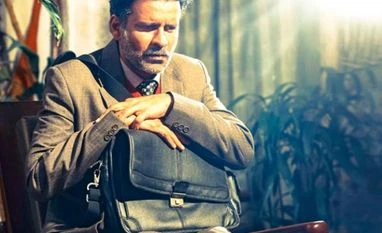
Bajpayee plays Siras to perfection — and beyond. He carries the silence of a wronged, unassuming, greying man with such precision that each frame in which he appears becomes a mini-masterpiece. His grizzled face is capable of yielding a bundle of expressions in a matter of seconds.
For instance, soon after the unfortunate incident, the professor is shown sitting in his modest room in the university quarters. A drink in hand and his eyes closed, he is listening to the Lata Mangeshkar classic Aapki Nazron Ne Samjha. His face looks weary, then sad, then contemplative, then teary, then blank — even as he sings along and his fingers dance through all those emotions. Equally heartwarming is the endearing awkwardness the elderly professor shows when a friendly reporter (Deepu Sebastian, played by Rajkumar Rao) who has been keenly following his story takes a selfie with him. Rao’s understated performance — and a distinct Malayali accent — adds much strength to the movie. However, Ashish Vidyarthi, as Siras’ lawyer, is forgettable.
The plot is easy to follow — despite the many layers that the controversy involved. Some images are strong enough to haunt the viewers for long— Siras’ rickshaw ride on a foggy Aligarh street on the fateful night, the “selfie” moment he shares with Sebastian as the two enjoy a boat ride, and Siras’ bafflement at the use of the word “gay” by Sebastian to describe him. When he says it’s hard to “describe his feelings in three words”, the film seems to have found its raison d’être.
Aligarh isn’t a tear-jerker. Nor does it shock or awe — a real possibility in a movie that involves controversy surrounding sexuality. It’s not a placard-holder for LGBTQ rights, either. All that this piercingly simple biopic leaves behind is a silence so loud — and so complete in itself — that it blocks out the need for any of those crutches.
With Aligarh, Bollywood, clearly, has matured a great deal.

 "<b>Movie Review:</b> Aligarh resounds with the power of silence")

