Apple, Microsoft's electronic gadgets may stop heart devices: Researchers
Electronic gadgets like Apple AirPods Pro charging case, Pencil 2nd Generation, and the Microsoft Surface Pen can interfere with life-saving heart devices and stop them from working, researchers said
IANS London Electronic gadgets like Apple AirPods Pro charging case, Pencil 2nd Generation, and the Microsoft Surface Pen can interfere with life-saving heart devices and stop them from working, researchers have warned.
Researchers from the University of Basel in Switzerland claimed that AirPods, 'pencils' and iPhones have powerful magnetic fields that could potentially stop implanted cardiac devices (ICD) working, Daily Mail reported.
According to the team, 'any' electrical device containing a magnet could theoretically pose a 'danger' to patients who rely on ICDs to jolt their heart back into rhythm, the report said.
"The public need to be aware of the potential risks of portable electronic devices," Dr Sven Knecht, from the varsity was quoted as saying.
"These devices can cause a problem when carried in your shirt or jacket pocket in front of the chest, as well as when you are lying on the couch and resting the electronic device on your chest," he added.
The study, published in the journal of the American Heart Association, showed the Apple products could not be placed closer than 0.78inches, or 2 cm, without interfering with ICDs.
But the Microsoft product, which costs 70 pounds, could not be within 1.1 inch (2.9 cm), the report said.
The team advised patients fitted with the pacemaker-like gadgets to not keep electronics in pockets near their chest. According to American Heart Association guidelines, all mobiles should be kept at least 15 cm away from pacemakers to minimise the risks.
Microsoft, in a statement, recommended customers to "follow previously published guidance which recommends the device is kept at least 6inch (15cm) from pacemakers and ICDs".
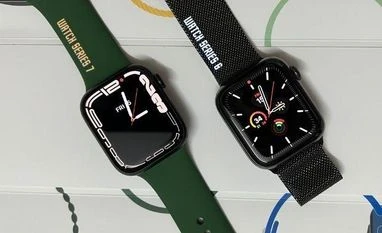
In a separate study, researchers from Cedars-Sinai Medical Center in Los Angeles, found that most Apple Watch users won't get health benefits of getting an alert about atrial fibrillation, a type of irregular heart rhythm, the Verge reported.
The study, published in the Journal of the American Medical Informatics Association, showed only 0.25 per cent of people wearing an Apple Watch would qualify for anticoagulants if they had atrial fibrillation flagged by the device.
"Most of the people who are connecting their devices wouldn't have anticoagulants recommended anyway, even if they were found to have atrial fibrillation, so it wasn't going to change any prescribing," Josh Pevnick, co-director in the division of informatics at Cedars-Sinai was quoted as saying.
"It can cause anxiety for people who it identifies, and if there's no treatment, then you're maybe not bringing much benefit," he added.
--IANS
rvt/vd
(Only the headline and picture of this report may have been reworked by the Business Standard staff; the rest of the content is auto-generated from a syndicated feed.)

 "Apple, Microsoft's electronic gadgets may stop heart devices: Researchers")


 Connect with us on WhatsApp