Explained: The story behind the Apple versus Fortnite App Store battle

The court case involving Apple and Epic Games, the maker of the video game Fortnite, is the result of the gamemaker's rebellion against rules and fees set by Apple
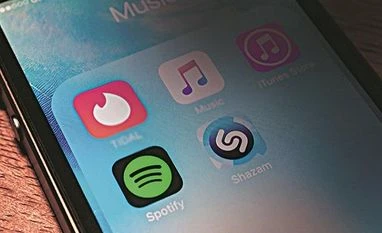
apps, digital, unfair trade practices, antitrust law, competition, online, tinder, shazam, spotify, itunes, apple, google
In August, Epic’s billionaire founder, Tim Sweeney, announced that he would no longer abide by Apple’s rule that all purchases of apps and items within apps designed for its iOS-based devices go through Apple’s payment system
Olga Kharif, Mark Gurman & Edvard Pettersson | Bloomberg
2 min read Last Updated : Sep 30 2020 | 2:00 AM IST
Perhaps it’s a sign of our times that a potentially landmark battle with antitrust implications is shaping up over digital pickaxes. The court case involving Apple and Epic Games, the maker of the video game Fortnite, is the result of the gamemaker’s rebellion against rules and fees set by Apple in its role of gatekeeper for apps on its iPhones and iPads. 

What’s the case about?

In August, Epic’s billionaire founder, Tim Sweeney, announced that he would no longer abide by Apple’s rule that all purchases of apps and items within apps designed for its iOS-based devices go through Apple’s payment system. After he activated Epic’s own payment system, Apple kicked Fortnite out of its app store. It also threatened to make it hard for developers using Epic’s tools to build games. In response, Epic sued in federal court; it also sued Google over the same issue Apple soon counter-sued.

What was Epic unhappy about?

That Apple and Google charge fees of up to 30 per cent to developers using their app stores. Consumers spent $50 billion worldwide on the App Store and Google Play in the first half of 2020, according to Sensor Tower estimates. That generated billions of dollars in highly profitable revenue for the companies. Some developers have derided this as an unfair and unwarranted tax, especially since it applies not just to the purchase of an app, but to anything bought within one.

Why does Apple do that?

Apple says that the App Store’s success is directly related to its iron-clad rules because it spends significant resources to police apps and maintain high quality standards. Its payment system ensures that consumers using the store have a seamless and easy experience and are protected from fraud. But a growing number of developers say Apple is simply finding excuses to maximise profits.

What are app makers doing?

Spotify, the music-streaming company, and Match Group, which runs dating services including Tinder, joined Epic and 10 other organisations to launch the Coalition for App Fairness to push Apple and Google, to change their app-store rules. The group launched a website outlining 10 “App Store Principles”, including one asserting that developers should not be required to exclusively use a particular app store or payment system. The group also criticised Apple’s 30 per cent cut for most paid apps and subscriptions.

One subscription. Two world-class reads.

Already subscribed? Log in

Subscribe to read the full story →
*Subscribe to Business Standard digital and get complimentary access to The New York Times

Smart Quarterly

₹900

3 Months

₹300/Month

SAVE 25%

Smart Essential

₹2,700

1 Year

₹225/Month

SAVE 46%
*Complimentary New York Times access for the 2nd year will be given after 12 months

Super Saver

₹3,900

2 Years

₹162/Month

Subscribe

Renews automatically, cancel anytime

Here’s what’s included in our digital subscription plans

Exclusive premium stories online

  • Over 30 premium stories daily, handpicked by our editors

Complimentary Access to The New York Times

  • News, Games, Cooking, Audio, Wirecutter & The Athletic

Business Standard Epaper

  • Digital replica of our daily newspaper — with options to read, save, and share

Curated Newsletters

  • Insights on markets, finance, politics, tech, and more delivered to your inbox

Market Analysis & Investment Insights

  • In-depth market analysis & insights with access to The Smart Investor

Archives

  • Repository of articles and publications dating back to 1997

Ad-free Reading

  • Uninterrupted reading experience with no advertisements

Seamless Access Across All Devices

  • Access Business Standard across devices — mobile, tablet, or PC, via web or app

Topics :GoogleApple FacebookAppsMobile appsApple app storeGoogle appsantitrust law

Next Story



