A silent gap of around nine months, smartphone maker Motorola, owned by Chinese electronics firm Lenovo, recently launched the Motorola One Vision in India. Priced at Rs 19,999, this is the first smartphone in the country with an ultra-tall 21:9 aspect ratio screen with a punch-hole for the front camera. Besides a new screen format, the midrange phone also boasts a 3,500 mAh battery with fast-charge support, high-resolution cameras with a quad-pixel technology on the rear and front, and stock Android Pie operating system with the Android One promise.
On paper, the phone appears to be a strong player in the midrange segment. But is it? Let’s find out:
The Motorola One Vision has a 6.3-inch fullHD+ IPS LCD screen, which is bright and has a good sunlight legibility. By default, the screen is set to render saturated colours, which look vivid but unnatural. Based on personal preferences, the screen can be tuned from display settings to render natural and boosted colours. There is also an option to change the theme to dark, but it does not reflect changes across the user interface – notification and the app drawer turn grey, but the settings menu remains white.
With a Widevine L1 certification, the phone is capable of streaming high-definition multimedia content from over-the-top platforms like Amazon Prime Videos and Netflix. The screen is best suited for web browsing, gaming and multimedia. But note that videos in the 21:9 aspect ratio are still uncommon; these are not readily available even on major OTT platforms other than YouTube and Netflix.
The Motorola One Vision primary camera is a decent performer but not the best in its segment. It takes detailed shots with a good dynamic range and optimum contrast but fails to keep the white balance right. As a result, the photos tend to look warm or cool, depending on lighting conditions. The phone has a dedicated night mode for lowlight photography. In the night mode, the camera manages to brighten up the scene and capture details, but the result is underwhelming due to increased noise levels and loss of detailing.
The camera supports auto scene recognition, which adjusts the settings based on objects in the frame. It also notifies the user to change the mode to night or portrait if it detects in the frame, respectively, low-light or human face.
Motorola One Vision camera sample: Night mode
Motorola One Vision camera sample: Night mode
The phone’s front camera is a potent one. It has an auto beauty mode that enhances selfies artificially, making them look unnatural but beautiful. It also has a portrait mode, which adds a background blur effect to selfies and enhances them.
Motorola One Vision camera sample: Daylight HDR
Motorola One Vision camera sample: Daylight Macro
Overall, the Motorola One Vision camera, despite its weaknesses, offers one of the best experiences in the segment.
The Motorola One Vision is powered by the Samsung Exynos 9609 system-on-chip, mated with a 4GB RAM and 128GB storage – expandable up to 512 GB using a microSD card. The phone’s performance is satisfactory. It handles day-to-day operations with ease and shows no trouble while performing processor-intensive tasks. However, the phone’s gaming performance is mediocre. Graphic-intensive games like PUBG and Asphalt 9 Legends run at medium graphic and show lags during in-gaming sessions.

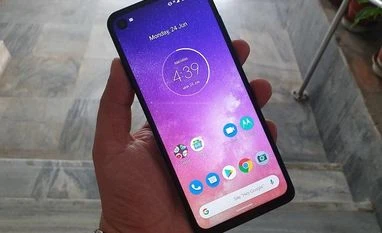 "Motorola One Vision: Promising midrange smartphone with good screen, camera")












 Connect with us on WhatsApp