The government’s recent ban on ‘Playerunknown's Battlegrounds’ (PUBG), the most popular gaming app in the country — besides 117 other Chinese apps — is expected to make a major dent in Chinese technology conglomerate Tencent Holdings’ India revenues.
The latest ban on 118 Chinese apps follows India’s earlier ban on 59 Chinese apps amid escalating border tensions between the two countries.
According to App Annie, which tracks apps globally, PUBG was ranked first in July by revenues from customers who downloaded the app from Google Play or Apple IoS in India. It was ahead of entertainment app Disney Hotstar, dating app Tinder, online education app Udemy and Google One, across all categories. Tencent, which has over 758 apps listed on app stores, was also ranked first by revenue in India among app companies — ahead of the likes of Google, Disney and Playrix.
Interestingly, data since January show that both PUBG and Tencent stuck to their numero uno position month after month, except in February, when Freefire took the top slot. Among other popular apps that the Chinese company owns is the messaging app WeChat, which was banned in India earlier. But WeChat, playing in a segment dominated by WhatsApp, did not have a very large following in India.
PUBG, on the other hand, has over 175 million estimated downloads in India. The country accounts for around 25 per cent of the gaming app’s global user base. This was a key factor that also drove the company’s valuations.
PUBG’s monthly revenues from India are estimated in the range of $1.5 million to as much as $7 million, depending on the month. The official revenue numbers are not publicly available. Even if the game itself was available free of cost, revenues came from the sale of skins, emotes and costumes that made gaming characters, besides sponsorships (companies sponsor these games), affiliate marketing, and collaboration with different brands, tournament hosting and streamers (those earning revenue this way have to pay some amount to the game developer). According to Sensor Tower, PUBG was always among top two games by revenues in the gaming category in India.
Analysts estimated PUBG’s global revenues, including in China where it is called Game for Peace, at over $1.3 billion in the first half of 2020, thanks to a surge in usage amid lockdowns everywhere to control the spread of Covid-19.
The move to ban Tencent’s main revenue churner in India comes in the wake of the government’s earlier decision to ban the very popular video platform TikTok, owned by China’s Bytedance. Following the ban, many home-grown companies like Chingari, Roposo and Mitron stepped in to fill the gap. Even Facebook joined the party and sought to present a TikTok alternative by launching its own video platform, Instagram Reels.
Read this article for free
Register to continue reading premium journalism and analysis from Business Standard.

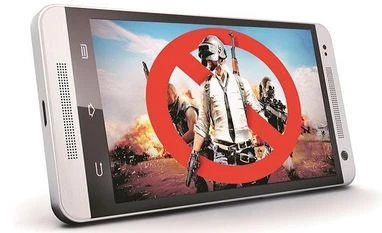 "PUBG ban to upset Tencent's 'chicken dinner' in India")












 Connect with us on WhatsApp