Chef Sanjeev Kapoor's take on the best and worst things in Budget

The finance minister has not given in to the pressures of delivering a please-all Budget, which I really like. She has taken strong decisions
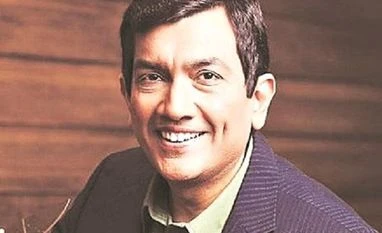
sanjeev Kapoor
Sanjeev Kapoor
Business Standard
2 min read Last Updated : Feb 01 2020 | 10:46 PM IST
Has Finance Minister Nirmala Sitharaman steered the economy out of the woods?

Whether it’s “aspirational India” or “caring society,” as part of growing up, we saw these themes outside India and would always curse. And all this is so easy to defer to be a populist. Funding these things while also trying to manage the economy, I think, is a great thing. As a responsible citizen, I am very pleased to see that money has not been thrown around left, right and centre to please people.

Is this a populist, please-all Budget?

The finance minister has not given in to the pressures of delivering a please-all Budget, which I really like. She has taken strong decisions.

Will it help the economy, create jobs, restart stalled projects?

The government believes that by focussing on infrastructure, jobs would be renewed and consumers would spend more money. 

It’s all also about how people perceive it. Sometimes you can have the worst disease in the world and when you go to a doctor he tells you that you are fine. You actually start getting better.

What was the best thing about the Budget? And the worst?

I am glad that the Budget is being seen as a serious exercise. While growing up, Budgets were about things like, “toothpaste <ek rupiya sasta ho gaya> (toothpaste is now a rupee cheaper)”. What I like is the focus on infrastructure and also the money dedicated for the welfare of schedule caste and schedule tribes, and other backward classes, besides the money allotted to the elderly, and women and children. 

The allocation nutritional programme is a step in the right direction. The only thing I did not like is that the fiscal deficit target has been raised to 3.8 per cent from 3.3 per cent. I think we should be bridging the gap and not increasing it in a growing economy.

One subscription. Two world-class reads.

Already subscribed? Log in

Subscribe to read the full story →
*Subscribe to Business Standard digital and get complimentary access to The New York Times

Smart Quarterly

₹900

3 Months

₹300/Month

SAVE 25%

Smart Essential

₹2,700

1 Year

₹225/Month

SAVE 46%
*Complimentary New York Times access for the 2nd year will be given after 12 months

Super Saver

₹3,900

2 Years

₹162/Month

Subscribe

Renews automatically, cancel anytime

Here’s what’s included in our digital subscription plans

Exclusive premium stories online

  • Over 30 premium stories daily, handpicked by our editors

Complimentary Access to The New York Times

  • News, Games, Cooking, Audio, Wirecutter & The Athletic

Business Standard Epaper

  • Digital replica of our daily newspaper — with options to read, save, and share

Curated Newsletters

  • Insights on markets, finance, politics, tech, and more delivered to your inbox

Market Analysis & Investment Insights

  • In-depth market analysis & insights with access to The Smart Investor

Archives

  • Repository of articles and publications dating back to 1997

Ad-free Reading

  • Uninterrupted reading experience with no advertisements

Seamless Access Across All Devices

  • Access Business Standard across devices — mobile, tablet, or PC, via web or app

Topics :Budget 2020

Next Story



