ICC to introduce two-tier Test format following WTC final in June: Report
The five-match Test series between India and England is likely to be the first Test series under the new format
Aditya Kaushik New Delhi The World Test Championship (WTC) is on the verge of a major restructuring, with the International Cricket Council (ICC) considering a two-tier system to create a fairer and more competitive tournament. With the next cycle set to begin in June, discussions are accelerating to address concerns over imbalanced scheduling, limited opportunities for smaller teams, and the dominance of shorter series. While supporters believe the changes will enhance the championship’s credibility, critics fear it will marginalise lower-ranked nations and strengthen the influence of cricket’s elite. The final decision is expected before India’s tour of England, which will kick off the 2025-27 cycle of the WTC on June 20.
ICC plans revamp for fairer competition
England and Wales Cricket Board (ECB) chairman Richard Thompson, who is leading the ICC's strategic growth committee, has reportedly discussed the changes with ICC chairman Jay Shah. He acknowledged the urgency of finalising the structure before the new cycle begins in five months.
Thompson is said to have admitted that the current structure does not function as intended and that the WTC needs to be reformed to ensure a more competitive and balanced tournament. He suggested that the new format would prioritise the best teams reaching the final while also encouraging other nations to continue playing Test cricket. He emphasised that Test cricket's integrity must be preserved, calling the format crucial to the game’s identity.
Current model faces criticism
The existing WTC format has faced significant criticism for its inconsistencies. One of the main concerns has been that teams do not compete against every other nation during the cycle, leading to an unbalanced points system. Political constraints, such as India and Pakistan not playing against each other, have further impacted the competition's credibility.
There have also been concerns about scheduling, with South Africa reaching this year’s final without facing Australia, despite the two teams now set to meet in June at Lord’s. Additionally, the excessive reliance on two-Test series has distorted rankings, making it difficult to accurately assess the best-performing teams.
Introduction of four-day Tests under consideration
To better accommodate longer series amid the rising dominance of franchise leagues, discussions are reportedly being held regarding the introduction of four-day Tests. The proposed change is expected to help cricket boards schedule more three-Test series while still maintaining the traditional five-day format for marquee matchups such as the Ashes and other contests between top-tier teams.
Experts have pointed out that since 2019, no three-Test series has been played outside the "big three" nations—England, India and Australia—raising concerns about opportunities for other teams.
Two-tier system sparks debate
The proposed two-tier system would reportedly allow top-ranked teams to play each other more frequently. However, this has led to concerns that lower-ranked teams could be further sidelined, which has sparked criticism from cricketing legends.
West Indies great Clive Lloyd has strongly opposed the move, reportedly arguing that such a system would be unfair to smaller teams that have worked hard to establish themselves in international cricket. He is said to have expressed frustration over financial considerations driving the decision, questioning why teams with a rich cricketing history should now face exclusion due to monetary factors.
Similarly, Sri Lanka’s World Cup-winning captain Arjuna Ranatunga has voiced disapproval, allegedly warning that the new structure would only serve the financial interests of the "big three" nations—England, India and Australia. He is reported to have criticised administrators for prioritising money over the sport, insisting that cricket should not be dictated by financial power.
Other cricketers, including Bangladesh’s Mominul Haque and former England pacer Steven Finn, have also reportedly criticised the proposed changes, raising concerns about Test cricket becoming less inclusive.

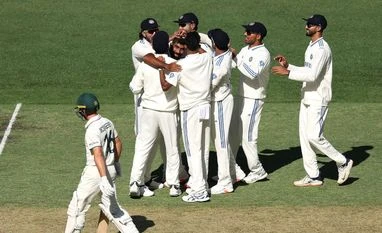 "ICC to introduce two-tier Test format following WTC final in June: Report")


 Connect with us on WhatsApp