In economic shift, smaller cities keep consumption engine running

Non-essential spending has increased more in non-metro segment as incomes rise
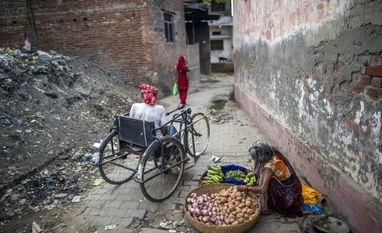
Villagers, rural area, locals
Sachin P Mampatta Mumbai
1 min read Last Updated : Oct 13 2023 | 12:16 PM IST

Don't want to miss the best from Business Standard?

Two days into festival season sales, e-commerce firm Amazon India says more than 80 per cent of its customers are logging in from non-metro cities.

Smaller cities are growing differently from metros in terms of spending and income, according to an analysis Business Standard did of unit-level data from the Reserve Bank of India (RBI) Consumer Confidence Survey. Such cities report higher income growth and increased spending outside of essentials.

The analysis classified the cities of Delhi, Mumbai, Chennai, Bangalore (Bengaluru) and Kolkata into one group. As many as 14 other cities were included in a separate group of non-metro cities comprising, among others, Jaipur, Nagpur and Thiruvananthapuram. Around 79 per cent of people surveyed by the RBI in smaller cities reported increasing their overall spending, compared to 71 per cent of those living in the metros 
as seen in chart 1 (click image for interactive link).

The RBI carries out the survey on a bi-monthly basis. It releases the data for every respondent with corresponding details, called unit-level data, with a lag. The latest unit-level data is for July. It also captures responses on spending for essentials and non-essentials. Metros and non-metro cities recorded higher spending on essentials amid rising prices in July. Around 85.7 per cent of those in non-metro cities reported higher essential spending compared to 85 per cent in metro cities. The gap is wider for non-essential spending. Less than 20 per cent of those in metro cities reported increased non-essential spending. It was 36.4 per cent in non-metros (chart 2).

Such spending may have to do with relative prosperity compared to last year. Around 22 per cent of those in metro cities said they had a higher income than last year. The corresponding figure for non-metros was 30 per cent.  Around 22 per cent of those in non-metros recorded a decrease in income compared to the previous year. It was closer to 27 per cent for those in metro cities (chart 3). 

Reasons for incomes improving in non-metros may include the proliferation of startups and multinationals looking outside larger cities to set up Global Capability Centers (GCCs).

One subscription. Two world-class reads.

Already subscribed? Log in

Subscribe to read the full story →
*Subscribe to Business Standard digital and get complimentary access to The New York Times

Smart Quarterly

₹900

3 Months

₹300/Month

SAVE 25%

Smart Essential

₹2,700

1 Year

₹225/Month

SAVE 46%
*Complimentary New York Times access for the 2nd year will be given after 12 months

Super Saver

₹3,900

2 Years

₹162/Month

Subscribe

Renews automatically, cancel anytime

Here’s what’s included in our digital subscription plans

Exclusive premium stories online

  • Over 30 premium stories daily, handpicked by our editors

Complimentary Access to The New York Times

  • News, Games, Cooking, Audio, Wirecutter & The Athletic

Business Standard Epaper

  • Digital replica of our daily newspaper — with options to read, save, and share

Curated Newsletters

  • Insights on markets, finance, politics, tech, and more delivered to your inbox

Market Analysis & Investment Insights

  • In-depth market analysis & insights with access to The Smart Investor

Archives

  • Repository of articles and publications dating back to 1997

Ad-free Reading

  • Uninterrupted reading experience with no advertisements

Seamless Access Across All Devices

  • Access Business Standard across devices — mobile, tablet, or PC, via web or app

Topics :Indian Economymetro citiesConsumption growtheconomyAmazon IndiaBS Number Wise

Next Story



