S Mahendra Dev, newly appointed chairman of the Economic Advisory Council to the Prime Minister (EAC-PM), says India is on track to grow at 6.5 per cent in 2025-26 (FY26) despite global headwinds. In an interview with Sanjeeb Mukherjee and Indivjal Dhasmana in New Delhi, he discusses a wide-range of issues, including the impact of artificial intelligence (AI) on jobs, demand trends, and increasing the share of manufacturing in the economy. Edited excerpts:
The rural economy and consumption have done well in 2024–25. Do you think they will remain a big growth driver in FY26 as well?
The average growth rate of agriculture during the past eight years -- 2017–18 to 2024–25 -- was 4.6 per cent per annum. FY25 also recorded a growth rate of 4.6 per cent. It contributed significantly to the GVA (gross value added) growth of 6.4 per cent last year. The IMD (India Meteorological Department) expects an above-normal monsoon this year, which augurs well for higher agricultural growth, rural consumption, and lower inflation. Therefore, we can expect that the rural economy will do well in FY26 as well.
What are your projections for GDP growth in FY26?
The RBI projected GDP growth at 6.5 per cent, while the Economic Survey gave a range of 6.3–6.8 per cent for FY26. A 6.5 per cent GDP growth for FY26 is feasible, given many domestic tailwinds, in spite of global uncertainties.
India’s extreme poverty has dropped to 5.5 per cent even as per the changed yardstick of the World Bank. By when do you think we can fully eliminate poverty by this parameter?
A study by former RBI Governor C Rangarajan and myself showed poverty in India declined from 29.5 per cent in 2011–12 to 4.9 per cent in 2023–24. We also indicated that even if we increase the poverty line, the rate of reduction is more or less maintained. At this rate of reduction, India should be able to remove extreme poverty soon. India will be on track regarding the SDG (Sustainable Development Goals) on poverty.
India is poised to become the world's fourth-largest economy by 2025-26. Are we also on track to achieve the status of a developed country by the centenary year of Independence in 2047?
India is aspiring to become a developed country in terms of per capita income by 2047. There are some estimates of projected nominal annual growth of 11 per cent to 12 per cent and real growth rates of 7 per cent to 8 per cent to achieve this goal. Investments and exports are the two engines of growth. The government has given a capex push in the past few Budgets, and the growing infrastructure will have a multiplier effect on most sectors. Private investment and capacity utilisation may further increase based on demand. India’s policies will attract more foreign direct investment. An increase in savings in the economy, particularly financial savings, is important for higher investments. There are many opportunities for India, even if there are global headwinds, to reach the goal of becoming a developed nation by the centenary year of Independence.
What about inclusiveness and sustainability?
The creation of both quantity and quality of employment is the most important element of inclusive growth. Structural transformation from agriculture to industry and services over time will further increase the quality of employment. The approach has been to increase the share of formal sector employment and simultaneously raise the productivity of informal sector employment. Youth will get opportunities for both skilled and unskilled jobs. Manufacturing and services are becoming more skill-intensive.
Therefore, the government’s push to improve skills is an important step and increases employability. New-age technologies such as AI and IoT (Internet of Things) lead to demand for certain activities while reducing demand for others. India has several welfare programmes such as PM Garib Kalyan Anna Yojana, Direct Benefit Transfers (DBTs), and many others, which will increase inclusiveness.
The green transition is also another opportunity. ESG (environment, social, and governance) helps companies identify opportunities for sustainable development. There has also been a significant push to the MSME (micro, small and medium enterprises) sector, which contributes large employment. MSMEs are the second-biggest employer, after agriculture. The ‘National Manufacturing Mission’ announced in the Union Budget 2025–26 is expected to strengthen the ‘Make in India’ initiative.
The UN Population Fund (UNFPA) has said that lowering the fertility rate is not the ideal solution to control population, but instead, families should have a choice regarding the number of children they want to have. What is your opinion?

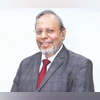 "Tax incentives, rate cuts should improve urban demand: EAC-PM Chairman")











