
Structural reforms to be sustained to improve India's growth potential: RBI
Monetary policy remains focused on withdrawal of accommodation to ensure that inflation progressively aligns with the target, while supporting growth, the central bank said
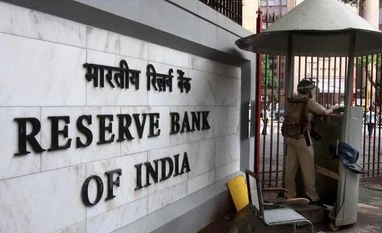 "Structural reforms to be sustained to improve India's growth potential: RBI")
WebinarsNew
Deep DiveNew
Explore Business Standard
Monetary policy remains focused on withdrawal of accommodation to ensure that inflation progressively aligns with the target, while supporting growth, the central bank said
The Reserve Bank of India (RBI) has said the structural reforms should be sustained to improve India's medium term growth potential.
The central bank said this in its annual report for 2022-23 citing the slowing of the global economic growth, protracted geopolitical tensions and a possible upsurge in financial market volatility following new stress events in the global financial system.
"It is important, therefore, to sustain structural reforms to improve India's medium-term growth potential," the annual report notes.
The RBI said several shocks tested the resilience of the Indian economy in 2022-23.
"On the back of sound macroeconomic policies, softer commodity prices, a robust financial sector, a healthy corporate sector, continued fiscal policy thrust on quality of government expenditure, and new growth opportunities stemming from global realignment of supply chains, India's growth momentum is likely to be sustained in 2023-24 in an atmosphere of easing inflationary pressures," the RBI said.
Taking into account softer global commodity and food prices, good rabi crop prospects, sustained buoyancy in contact-intensive services, the government's continued thrust on capex, higher capacity utilisation in manufacturing, double digit credit growth, receding drag on purchasing power from high inflation and rising optimism among businesses and consumers, real gross domestic product (GDP) growth for 2023-24 is projected at 6.5 per cent with risks evenly balanced, the RBI said.
According to the RBI, with a stable exchange rate and a normal monsoon -- unless an El Nino event strikes -- the inflation trajectory is expected to move down over 2023-24, with headline inflation edging down to 5.2 per cent from the average level of 6.7 per cent recorded last year.
Monetary policy remains focused on withdrawal of accommodation to ensure that inflation progressively aligns with the target, while supporting growth, the central bank said.
With global uncertainties persisting, foreign portfolio investment (FPI) flows may remain volatile. The favourable domestic growth outlook, lower inflation, and business friendly policy reforms could, however, help sustain buoyant FDI inflows, RBI said.
Furthermore, inward remittances are likely to remain robust owing to better growth prospects in the Gulf countries. As a result, external vulnerability risks may ease further during 2023-24, the RBI annual report said.
--IANS
vj/dpb
(Only the headline and picture of this report may have been reworked by the Business Standard staff; the rest of the content is auto-generated from a syndicated feed.)
First Published: May 30 2023 | 4:25 PM IST

