Turning used cooking oil into diesel blending feedstock remains a challenge

India's biodiesel blending rate was at a mere 0.60 per cent in FY25, against a target of 5 per cent by 2030, largely because of limited investments and challenges in collection of used cooking oil

ethanol
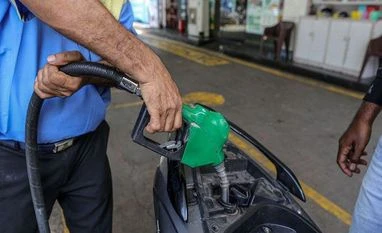
The Ind-Ra report noted that while the ministry of petroleum and natural gas reported a 0.5 per cent blending ratio in 2024. | Photo: Bloomberg
Sanjeeb Mukherjee New Delhi
6 min read Last Updated : Jul 22 2025 | 6:15 PM IST
India’s target of ethanol blending with petrol is well on track and might even reach the goal of mixing 20 per cent ethanol with petrol ahead of its cut-off date of 2025-26 supply year, but the road to 5 per cent biodiesel blending with diesel by 2030 is riddled with potholes.
 
According to an India Ratings (Ind-Ra) report released a few months ago, India's biodiesel blending rate has hit a miniscule 0.60 per cent in FY25, way behind target and deadline, largely on account of limited investments and challenges in the collection of used cooking oil (UCO). It also estimated an investment of Rs 2,500 crore to meet the government’s 5 per cent biodiesel blending target by 2030.
 
Companies with integrated edible oil refineries, however, are expected to be better positioned to expand capacity in the coming years.

What is biodiesel blending?

The 5 per cent biodiesel blending target is part of India’s 'National Policy on Biofuels', which also included the 20 per cent ethanol blending target for petrol, both of which measures are aimed at reducing fossil fuel dependence and promoting renewable energy.
 
The Ind-Ra report noted that while the ministry of petroleum and natural gas reported a 0.5 per cent blending ratio in 2024, the ratings agency expected this to increase slightly to 0.6 per cent in 2025 based on procurement data from OMCs.
 
Between April and November 2024, OMCs procured approximately 366.8 million litres of biodiesel. The number of registered suppliers has also increased, rising from 51 in 2023 to 69 in 2024, the report said.
 
One if the key challenges, however, remains the availability and variety of feedstock. The collection network for UCO - which is among the main feedstocks for biodiesel - remains fragmented, leading to inefficiencies and higher production costs. Alternative feedstock for biodiesel blending namely, waste cooking oil, animal fats etc. also remain works in progress.

Why mix UCO with diesel?

UCO is the edible oil left over after it has been used for frying. India, which is the world’s largest consumer of edible oils, accounting for almost 22-25 million tonnes of edible oil use annually. Some estimates put UCO output at 3 MT, which can be a good source of biodiesel to be used for blending, but still short of the potential output given the amount consumed. Around 60 per cent of the annual edible oil consumption in India is by households where oil is used for cooking and deep frying.
 
Until a few years ago, around 10-15 percent of biodiesel was produced from UCOs, which has risen to 35 per cent more recently. Clearly, bio-diesel provides a lucrative opportunity to reuse UCOs.
 
The fragmented nature of India’s edible oil consumption, financial considerations, and challenges in ensuring proper collection all play a part in ensuring that the bulk of consumed oil continues to be re-used or re-heated.
 
As per a study done by the Observer Research Foundation, around 60 per cent of UCO generated in India finds its way back into the food stream.
 
“This happens either through direct reuse in commercial establishments or resale to informal, unauthorised traders,” the study said. Despite clear health hazards, cooking oil is seldom used for a single time in any Indian household; often, the same oil is used multiple times for frying.

What do India's food safety guidelines say?

The Food Safety and Standards Authority of India (FSSAI) in a guideline issued in 2018 prohibited re-using vegetable oils with total polar compounds - a critical measure of the quality and safety of edible oils, particularly those used in frying - in excess of 25 per cent but the restrictions were barely imposed or followed. The higher the number of total polar compounds (TPC), the is the risk to human health. The FSSAI guideline notes that edible oil with more than 25 percent TPCs is not safe for human consumption.
 
The FSSAI had also warned that, in general, re-use and re-heating of used edible oils should be avoided because of related health hazards.
 
But those guidelines were withdrawn in August 2024 because of pressure from Food Business Operators (FBO) as well as the absence of a proper enforcement mechanism.
 
This has further complicated the market for UCOs as companies and large eateries can now re-use cooking oil, unencumbered by any regulatory barriers or fear of health hazards.
 
Some commentators said the FSSAI guidelines were insufficient to begin with since it left out the large unorganised sector that uses edible oils in various food items and instead targeted only large businesses that didn’t have much of UCO to begin with.
 
But beyond the FSSAI guidelines, the use of UCO for biodiesel blending still faces many challenges as the fragmented nature of India’s edible oil consumption makes it difficult for any meaningful process of collection.
 
BV Mehta, executive director of Solvent Extractors Association of India, points out that in India, on average, a household uses the same oil at least 3-4 times before it becomes unsuitable for consumption.
 
“It is collection from such small individual households and eateries that is a challenge,” Mehta said. Globally, he points out, big food companies such McDonalds et al consume 200-500 tins of edible oils daily on average at a typical outlet, with each tin weighing about 15-16 kg. This makes collecting from them easy, but in India collection is a major problem, Mehta says.
 
He said even if some incentive mechanism is worked out to lure individuals to deliver UCOs from their homes, the pick-up system remains to be resolved.
 
“Globally, people eat out much more than we Indians do, therefore, the whole system around UCOs needs a proper rethink,” Mehta said.
 
A Business Standard report a few months back said that Centre is actively looking to rejig its 'Repurpose Used Cooking Oil (RUCO)' initiative launched in 2018 by urging oil marketing companies (OMCs) to set up more collection points and engage more with non-food production units for collecting UCO from FBOs.
 
As of now, though, a lot more remains to be done to get the initiative off the ground.

One subscription. Two world-class reads.

Already subscribed? Log in

Subscribe to read the full story →
*Subscribe to Business Standard digital and get complimentary access to The New York Times

Smart Quarterly

₹900

3 Months

₹300/Month

SAVE 25%

Smart Essential

₹2,700

1 Year

₹225/Month

SAVE 46%
*Complimentary New York Times access for the 2nd year will be given after 12 months

Super Saver

₹3,900

2 Years

₹162/Month

Subscribe

Renews automatically, cancel anytime

Here’s what’s included in our digital subscription plans

Exclusive premium stories online

  • Over 30 premium stories daily, handpicked by our editors

Complimentary Access to The New York Times

  • News, Games, Cooking, Audio, Wirecutter & The Athletic

Business Standard Epaper

  • Digital replica of our daily newspaper — with options to read, save, and share

Curated Newsletters

  • Insights on markets, finance, politics, tech, and more delivered to your inbox

Market Analysis & Investment Insights

  • In-depth market analysis & insights with access to The Smart Investor

Archives

  • Repository of articles and publications dating back to 1997

Ad-free Reading

  • Uninterrupted reading experience with no advertisements

Seamless Access Across All Devices

  • Access Business Standard across devices — mobile, tablet, or PC, via web or app

Topics :ethanol productioncooking oilBiofuelFSSAIrenewable energy

Next Story