US-China reciprocal tariff truce likely to narrow India's export edge

Even though US tariffs on Indian goods remain at 10%, the massive tariff gap that once favoured India is shrinking fast
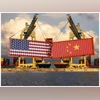
US-China, US-China trade
The US has agreed to pare back tariffs on Chinese imports from a combined 145 per cent to 30 per cent, including a 20 per cent levy on fentanyl, effective May 14 | Photo: Shutterstock
Asit Ranjan Mishra
3 min read Last Updated : May 12 2025 | 11:38 PM IST
The United States (US)-China trade truce, following negotiations over the weekend in Geneva, could erode the tariff advantage Indian exporters enjoyed after Washington slapped steep import duties on Chinese goods in April.
 
The US has agreed to pare back tariffs on Chinese imports from a combined 145 per cent to 30 per cent, including a 20 per cent levy on fentanyl, effective May 14. In return, China will reduce its tariffs on US goods to 10 per cent from 125 per cent. The revised tariff framework will apply for a 90-day window, the two sides announced on Monday.
 
For now, Indian exporters face a 10 per cent baseline US tariff introduced by the Donald Trump administration on April 2, following the suspension of country-specific reciprocal tariffs through July 8.
 
Ajay Srivastava, founder of Delhi-based think tank Global Trade Research Initiative, said that while US tariffs on Indian goods remained well below those still levied on Chinese imports, the once-significant gap that benefited India was shrinking fast.
 
“Just months ago, the US imposed duties of up to 145 per cent on Chinese goods — giving India a major edge in attracting companies looking to relocate,” Srivastava said.  
 
“Now, that edge has narrowed dramatically, with the US and China easing tensions and bringing tariffs closer to parity. For global investors, the message is clear: Washington is re-engaging with Beijing.”
 
S C Ralhan, president of the Federation of Indian Export Organisations (FIEO), said the development, though broadly positive for global trade stability, presented a mixed bag for Indian exporters. “The reduction in tariffs will likely result in a surge of US-China bilateral trade in high-value segments like electronics, machinery, and chemicals. This may intensify competition for Indian exporters in third markets like Southeast Asia, Africa, and Latin America, where India has recently made inroads, capitalising on US-China trade disruptions. However, India can leverage this shift to strengthen exports in sectors that remain relatively insulated from US-China trade, such as pharmaceutical APIs, gems & jewellery, engineering goods, organic chemicals and information technology (IT)-enabled services,” he said.
 
An apparel exporter who did not wish to be named noted that China had been priced out of the US market during last month’s tit-for-tat tariff war. “A truce means China again becomes competitive in the US market — though we still have a tariff advantage over it,” the exporter said.
 
Another exporter said a quick trade deal between India and the US could provide permanent tariff advantage to Indian exporters in the US market over its competitors.
 
Srivastava warned that the latest deal between the world’s two largest economies could mark the quiet unravelling of the so-called “China Plus One” strategy — a diversification push many multinationals embraced to hedge against geopolitical risks.
 
“What this new deal does achieve is reopening the $660 billion US-China trade pipeline and easing pressure on global supply chains,” Srivastava said. “It lifts some of the most punishing tariffs and allows trade to flow more freely again. But there’s a catch. As the tariff gap narrows, companies that had shifted production to places like Vietnam, India or Mexico may return to China. Ironically, this deal could undo the very diversification the tariff war aimed to spark.”

One subscription. Two world-class reads.

Already subscribed? Log in

Subscribe to read the full story →
*Subscribe to Business Standard digital and get complimentary access to The New York Times

Smart Quarterly

₹900

3 Months

₹300/Month

SAVE 25%

Smart Essential

₹2,700

1 Year

₹225/Month

SAVE 46%
*Complimentary New York Times access for the 2nd year will be given after 12 months

Super Saver

₹3,900

2 Years

₹162/Month

Subscribe

Renews automatically, cancel anytime

Here’s what’s included in our digital subscription plans

Exclusive premium stories online

  • Over 30 premium stories daily, handpicked by our editors

Complimentary Access to The New York Times

  • News, Games, Cooking, Audio, Wirecutter & The Athletic

Business Standard Epaper

  • Digital replica of our daily newspaper — with options to read, save, and share

Curated Newsletters

  • Insights on markets, finance, politics, tech, and more delivered to your inbox

Market Analysis & Investment Insights

  • In-depth market analysis & insights with access to The Smart Investor

Archives

  • Repository of articles and publications dating back to 1997

Ad-free Reading

  • Uninterrupted reading experience with no advertisements

Seamless Access Across All Devices

  • Access Business Standard across devices — mobile, tablet, or PC, via web or app

Topics :United StatesUS trade dealsChinaexporters

Next Story


