China is using an ancient form of exercise to train 'super-pilots' for the People's Liberation Army (PLA) Air Force, aiming to keep them fighting fit as physical demands rise with the induction of advanced capabilities like stealth jets, the South China Morning Post (SCMP) reported on Thursday.
In a secluded hot spring pool in Xingcheng, a coastal town in northeast China, 50 men, aged between 23 and 48 and drawn from among China's elite fighter pilots, have reportedly been practising a form of qigong known as baduanjin.
These pilots, many from China's competitive carrier-based squadrons, are reportedly using this ancient practice to harness the body's vital energy, or qi, to enhance muscle development.
According to the report, a scientific analysis suggests this unconventional approach is "remarkably effective". A peer-reviewed paper in the Chinese Journal of Rehabilitation Medicine reportedly revealed that, compared to pilots relying solely on Western-style exercise, those practising qigong experienced an average 15 per cent increase in the thickness of their core muscle groups, including back and waist muscles.
With demands for future hi-tech air battles growing, the daily training of PLA's elite pilots has surpassed that of their American counterparts, claimed the report, adding that this is presenting unprecedented challenges to their physical endurance.
What is Qigong?
Qigong, practised in China for thousands of years, focuses on achieving harmony and balance of qi in the body. Originating in the Song dynasty over 800 years ago, baduanjin is a gentle yet effective form of qigong that combines unique breathing techniques to strengthen the body.
Pilots practising qigong must concentrate on the flow of qi. For instance, before training begins, they reportedly spend 10 minutes adjusting their breathing.
"As you inhale, let the hot spring water and air enter your body, feeling every cell in your body breathing," explained the project team in their paper.
Pilots then "exhale slowly, expelling waste gas from the body along with the warmth of the hot spring water", said the report, quoting the paper.
Baduanjin consists of eight specific movements designed not to target individual muscles but to facilitate the smooth flow of qi throughout the body, strengthening it as a whole.
How have the Chinese fighter pilots benefited?
Many pilots reported neck, waist, or shoulder pain before training, but these symptoms significantly diminished after practising qigong, said the report. Their exertion levels during exercise dropped by nearly 20 per cent compared to a control group, and their waist strength increased by one-third, according to the research paper.
Citing the research team, the report highlighted that the multifidus muscle, located deep in the spine, plays a crucial role in maintaining spinal stability and controlling spinal movement. It further noted that for pilots, whose occupation demands prolonged sitting, good spinal stability forms the physiological basis for managing long sitting postures and handling various in-flight scenarios.
The report explained that a thicker multifidus muscle indicates more muscle fibres, capable of generating greater force. This strength is vital for pilots to maintain proper posture and endure vibrations and impacts during flight.
Additionally, the strength of the multifidus muscle aids pilots in maintaining a neutral spinal position, especially during take-off, landing, and turbulence in-flight, thereby reducing the risk of fatigue and injury caused by improper posture, the report added.
The traditional exercise regimen is reportedly helping Chinese pilots in this regard.

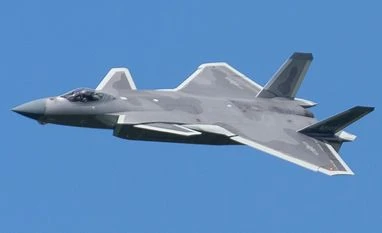 "China claims it's creating 'super' fighter pilots using ancient exercise")


 Connect with us on WhatsApp