India, EU discuss resolution of pending issues in proposed trade pact
The meeting was important as Goyal is scheduled to visit Brussels next week to give an impetus to the ongoing negotiations for the proposed trade agreement between India and the European Union
Engagements between the two sides have increased as they have decided to conclude the negotiations by December.
Commerce and Industry Minister Piyush Goyal on Wednesday said he held a meeting with EU Trade Commissioner Maros Sefcovic to discuss outstanding issues related to the proposed trade pact.
The meeting was important as Goyal is scheduled to visit Brussels next week to give an impetus to the ongoing negotiations for the proposed trade agreement between India and the European Union.
"Had a productive engagement focused on the positive resolution of the outstanding issues with respect to the India-EU FTA with Mr @MarosSefcovic, EU Commissioner for Trade and Economic Security, ahead of my Brussels visit starting next week," Goyal said in a post on X.
Goyal's visit follows the conclusion of the 14th round of talks between the two sides from October 6 to October 10.
Commerce Secretary Rajesh Agrawal has also held talks with European Commission (EC) Director General for Trade (DG-Trade) Sabine Weyand in Brussels.
Engagements between the two sides have increased as they have decided to conclude the negotiations by December.
In June 2022, India and the EU bloc resumed negotiations for a comprehensive FTA, an investment protection agreement and a pact on geographical indications after a gap of over eight years.
It was stalled in 2013 due to differences on the level of opening up markets.
India's bilateral trade in goods with the EU was $ 136.53 billion in 2024-25 (exports worth $ 75.85 billion and imports worth $ 60.68 billion), making it the largest trading partner for goods.
The EU market accounts for about 17 per cent of India's total exports, and the bloc's exports to India constitute 9 per cent of its total overseas shipments.
Besides demanding significant duty cuts in automobiles and medical devices, the EU wants tax reduction in other products like wine, spirits, meat, poultry, and a strong intellectual property regime.
Indian goods' exports to the EU, such as ready-made garments, pharmaceuticals, steel, petroleum products, and electrical machinery, can become more competitive if the pact sails through.
The India-EU trade pact negotiations cover 23 policy areas or chapters, including trade in goods, services, investment, trade remedies, rules of origin, customs and trade facilitation, competition, government procurement, dispute settlement, intellectual property rights, geographical indications, and sustainable development.
(Only the headline and picture of this report may have been reworked by the Business Standard staff; the rest of the content is auto-generated from a syndicated feed.)

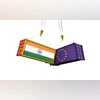 "India, EU discuss resolution of pending issues in proposed trade pact")

