India-Pak conflict: How anti-tank guided missiles are shaping ground combat
Modern ATGMs can be launched from vehicles, drones, or shoulder-fired, offering long-range precision and top-attack capability for high-impact tank and armour neutralisation
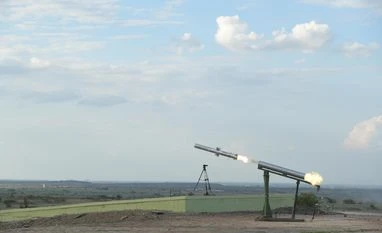
Anti-Tank Guided Missiles (ATGMs) are precision weapons built to destroy heavily armoured targets such as battle tanks. Their long-range capability allows troops to strike without exposing themselves to direct fire.
Modern ATGMs can be launched from a variety of platforms:
Shoulder-fired by infantry
Mounted on tripods or vehicles
Launched from helicopters or drones
Over 130 countries currently operate ATGMs, and they’ve seen extensive use in conflicts like the Russia-Ukraine war.
How ATGMs pierce armour: The technology behind the strike
ATGMs use shaped-charge warheads that focus explosive energy in a single direction to penetrate thick armour. More advanced systems feature tandem warheads:
The first charge defeats Explosive Reactive Armour (ERA)
The second charge penetrates the main armour underneath
Many systems also offer top-attack mode, where missiles strike the turret roof—typically the weakest part of a tank.
Why modern ATGMs are so deadly in warfare
Contemporary ATGMs combine four major battlefield advantages:
Extended range: Over 2.5 km for systems like Javelin or Spike
High precision: Advanced seekers target weak spots
Portability: Lightweight, quick deployment by troops
Top-down strikes: Designed to bypass front-facing armour
Can tanks survive an ATGM hit? It depends on the defences

 "India-Pak conflict: How anti-tank guided missiles are shaping ground combat")



