India’s luxury economy is heating up faster than its GDP, with the inaugural Kotak Private Luxury Index 2025 showing luxury inflation rising 6.7% annually since 2022 — powered by a 10.8% jump in prime real estate, 14.3% surge in wellness, and 11.6% rise in luxury experiences, even as watches corrected 17% in the same period.
The index, which tracks 12 categories from designer handbags and fine jewellery to elite universities and rare whisky, reveals a structural surge in ultra-HNI demand, with luxury home sales up 85% in H1CY25, wellness spend up for 81% of ultra-HNIs, and Swiss watch exports to India soaring 35.5%.
With India projected to cross 430,000 ultra-HNIs by 2028 and its luxury market set to exceed $85 billion by 2030, consumption at the top end is no longer cyclical — it’s becoming a defining marker of wealth, identity and aspiration.
International brands are already responding. Luxury retail leasing is up 90% year-on-year, global maisons are increasing their India-specific product lines, and premium malls such as Mumbai’s Jio World Plaza are becoming anchor destinations.
Index Performance: Key Insights
• 6.7% Annual Growth Since 2022 - The KPLI rose to 122 in 2025, marking a 22% increase over three years. Categories such as luxury real estate and designer handbags outperformed benchmark equity indices in 2025.
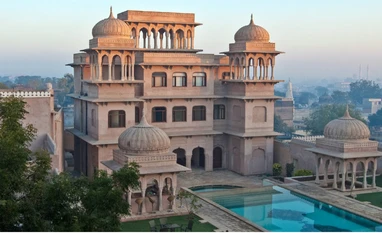
• Wellness as the New Status Symbol - Health retreats like Amanbagh and Ananda have pushed the wellness category up 14.3% annual increase since 2022, signaling that longevity and
mindfulness now define modern affluence.
• Experiences Outpace Ownership - From Antarctic cruises to Michelin-starred dining, the Exclusive Experiences Index has soared 11.6% annual increase since 2022, reflecting a hunger for stories, not just assets.
• Luxury Real Estate Reinforces Identity - Branded, tech-enabled residences have climbed 10.8% annual increase since 2022, cementing real estate as the ultimate wealth marker.
• Fashion Holds, Watches and Wines Correct - Designer handbags rose 10.2% annual increase since 2022, while luxury watches and fine wines saw corrections—proof that even indulgence
has cycles.
• Education as Legacy - Elite university tuition is up 8.4% annual increase since 2022, making education both a luxury and a statement of legacy.
The KPLI tracks year-on-year price changes across 12 categories, weighted by value retention, UHNI spending patterns and magnitude. The base year, 2022, marks the first post-pandemic benchmark for comparative analysis. These categories include prime real estate, designer handbags, luxury watches, luxury experiences, health and wellness, luxury automobiles, fine art, fine jewellery, designer shoes, elite universities, fine wines & rare whisky and luxury travel.
“The Kotak Private Luxury Index reflects how deeply luxury has taken root in India,” says Bhavin Sejpal, Partner, EY. “The 22% rise since 2022 signals a maturing luxury market—diverse, resilient, and driven by wealth creation and curated experiences. India’s ultra-HNIs are redefining luxury as identity, legacy and value preservation. From real estate and luxury experiences to wellness travel, India is shaping the next chapter of global luxury.”
Wellness: The Category With the Sharpest Price Rise
Wellness is the fastest-growing luxury category, rising 14.3% annually — the steepest climb in the index. The category score moves from 100 (2022) to 149 (2025), indicating both inflation and a surge in demand.
Why wellness is exploding:
- 60%+ of ultra-HNIs visited a wellness retreat in the past three years
- Over one-third ranked wellness retreats as their top luxury experience
- 10% of their annual spending is now allocated to health and wellness
- 81% increased their wellness spending year-on-year
- Retreats like Amanbagh and Ananda in the Himalayas are setting new standards in personalization, integrating Ayurveda, Panchakarma, AI-enabled health analysis, and circadian-aligned programmes. Some stays now cost ₹2 lakh per night, but the KPLI notes no corresponding softening in demand.
Luxury Experiences: The New Wealth Identity
Experiential luxury recorded 11.6% annual growth, rising from 100 → 139 from 2022 to 2025. The KPLI attributes this to the “Great Wealth Transfer” — younger inheritors seeking meaning, not material accumulation.
Experiential spending includes:
VIP hospitality at F1, Wimbledon and the Monaco Grand Prix, where Paddock Club passes can exceed ₹14.5 lakh
Ultra-luxury travel — Antarctic expeditions, volcano treks, undersea exploration
High-end gastronomy such as Sublimotion in Ibiza, costing about ₹2 lakh per person
Future high-end travel bookings are up 35% YoY globally, signalling a sustained shift.
Real Estate: The Hardest Asset, the Strongest Performer
Luxury real estate has been the most consistent engine of luxury inflation in India, recording a 10.8% annual rise since 2022. The supporting category infographic captures the rise from 100 in 2022 to 136 in 2025, outpacing every other tangible asset class.
1. Scarcity of prime urban housing
Markets such as BKC, Worli, South Mumbai, Lutyens’ Delhi and Gurugram’s Golf Course Road face structural undersupply. Ultra-HNIs overwhelmingly cite “location” as the top driver of purchase decisions.
"Luxury home sales surged approximately 85% year-on-year during H1CY25 across major Indian cities.[8] Indian metropolitans are outperforming international markets as well. Luxury residential properties in NCR, Mumbai and Bengaluru have recorded higher appreciation in value when compared to global cities, placing them among the top markets worldwide for prime property growth. This exceptional performance is fuelled by Bengaluru’s tech-sector-driven wealth creation, Mumbai’s infrastructure upgrades and a steady demand for luxury housing in NCR," noted the report.
2. Preference for hospitality-like living
Developers are integrating concierge services, private wellness centres, F&B partnerships, low-density layouts and secure access — effectively replicating hotel-grade living. The KPLI notes this is no longer a differentiator but a baseline expectation.
3. The rise of the second home
Three in four ultra-HNIs now own or intend to buy a vacation home, primarily in Goa, Alibaug and the Himalayan foothills. These assets increasingly double as rentable luxury retreats.
Luxury home sales rising 85% YoY in H1CY25 indicate the trend is structural, not sentimental.
Designer Handbags: A Status Symbol That Has Become an Asset Class
Designer handbags have delivered a 10.2% CAGR from 2022 to 2025, with the index moving from 100 → 134.
Chanel’s biannual price hikes and Hermès’ deliberately restricted supply have pushed retail and secondary prices upward.
Three insights stand out:
1. Scarcity is engineered — and effective
A Birkin cannot be purchased off the shelf. Access is relationship-driven, often built over years, and this deliberate scarcity has fuelled re-sale premiums.
2. Resale markets are booming
Platforms such as Vestiaire Collective and Luxepolis report double-digit growth, with Birkins retaining 250% value and Chanel’s Classic Flap retaining 135% of its price.
3. Handbags now outperform equities
One in four Indian ultra-HNIs now collect handbags as long-term investment pieces.
Disclosure: Entities controlled by the Kotak family have a significant holding in Business Standard Pvt Ltd

 "Wellness at ₹2 lakh/night? What India's ultra-rich are really splurging on")


