Cannabis is illegal in India, but it is legally used for recreational or medical purposes in several countries, including parts of North America and Europe. As more regions move towards regulation, scientists are increasingly trying to understand how much cannabis use actually raises the risk of addiction.
Until now, there has been no clear answer. People using cannabis at similar frequencies often have very different outcomes, with some
developing dependence, others not. A new study suggests the missing factor may not be how often cannabis is used, but how much of its psychoactive component, THC, the brain is exposed to over time.
A study titled Estimating thresholds for risk of cannabis use disorder using standard delta-9-tetrahydrocannabinol (THC) units, published in the journal Addiction, attempts to put a number on that risk for the first time. Researchers from the University of Bath report that keeping weekly THC intake below about 40 mg is associated with a significantly lower risk of developing cannabis use disorder. Above that level, the risk rises sharply.
The finding is being compared to alcohol guidelines. Just as counting units helps drinkers manage risk, scientists believe counting THC units could finally give
cannabis users a clearer sense of where harm begins.
Why hasn’t cannabis had a ‘safe limit’ until now?
Alcohol has had standard units for decades. Cannabis hasn’t, largely because measuring it is messy. Potency varies wildly. One joint can contain far more THC than another. Concentrates and edibles complicate things further.
Until now, most research has relied on how often people used cannabis. However, frequency alone overlooks actual exposure. Two people could both use cannabis three times a week and still be absorbing very different amounts of THC.
The new study brings focus to how much of the psychoactive compound actually enters the body.
What exactly is a THC unit?
The researchers used a simple definition: One standard THC unit equals 5 milligrams of delta-9-tetrahydrocannabinol, the compound responsible for the cannabis “high”.
This mirrors the logic of alcohol units. Instead of counting joints or edibles, users would count total THC consumed across all products and methods.
Using this system, the researchers estimated weekly THC intake for each participant, regardless of whether they smoked, vaped, or used other forms.
So what’s the weekly THC limit scientists are suggesting?
For adults, the study found a threshold.
When use was below about 8 THC units per week (roughly 40 mg THC), around 80 per cent of users did not develop cannabis use disorder.
For teenagers, the risk thresholds were lower at around 6 THC units per week, and there was little difference between mild and severe disorders. In other words, even relatively small increases in THC carried a significant risk for adolescents.
What is cannabis use disorder, and how common is it?
According to a 2020 paper on meta-analysis of studies on prevalence, cannabis use disorder affects about 22 per cent of people who use cannabis. It is not defined by how often someone uses the drug, but by the impact it has on their life.
Symptoms include loss of control over use, tolerance, withdrawal, neglect of work or relationships, and continuing to use despite harm. Many people with the condition never seek treatment.
The study shows that THC dose is a strong predictor of who crosses that line.
Why counting joints doesn’t work any more
Modern cannabis is far stronger than it was a generation ago. According to the study’s estimates, a single joint made with high-potency herbal cannabis can contain nearly 13 THC units. That’s already above the weekly lower-risk threshold for adults.
Hash, concentrates, and high-strength products push THC intake even higher. Two people using cannabis the same number of days can be exposing themselves to vastly different doses.
That’s why the researchers argue that product labelling based on THC units would be far more meaningful than percentages alone.
The study authors argue that a THC unit system could guide clearer warnings, smarter packaging, and more practical advice, especially in countries where cannabis is legal. Canada has already begun exploring THC unit-based labelling. The Bath team plans to test whether the same thresholds hold in other countries and legal settings.
Does this mean cannabis is “safe” below the limit?
No. According to the researchers, the only completely safe level of cannabis use is no use at all.
What the THC unit threshold offers is a harm-reduction tool, not a green light to usage. It is intended for individuals who do not want to stop or cannot stop, but still wish to reduce their risk.
For policymakers, clinicians, and populations in countries where cannabis is legal, this research offers a way to better quantify risk and make informed choices.
For more health updates, follow #HealthWithBS 
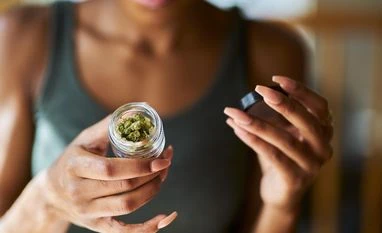 "How much cannabis is too much? Scientists put a number on addiction risk")


 Connect with us on WhatsApp