Home / Health / World Kidney Cancer Day 2025: Know signs, risks, and prevention tips
World Kidney Cancer Day 2025: Know signs, risks, and prevention tips
Kidney cancer often remains silent until late stages, making awareness, screening and prevention vital to improving survival outcomes
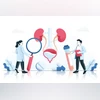
According to experts, kidney cancer often remains undetected until it has spread, but early detection can boost survival rates significantly. (Photo: Freepik)
World Kidney Cancer Day 2025, observed on Thursday, draws attention to one of the most overlooked yet increasingly common cancers worldwide. Often symptomless in its early stages, kidney cancer can progress undetected, making timely awareness and early detection essential. Initiated by the International Kidney Cancer Coalition, the day aims to educate the public about risk factors, warning signs, and the importance of preventive care.
What is kidney cancer?
According to the Cleveland Clinic, an American nonprofit academic medical centre based in Cleveland, Ohio, kidney cancer, or renal cancer, starts when cells in one or both kidneys begin to grow abnormally, forming a tumour. It often shows no symptoms early on, which is why it is commonly detected incidentally during other scans.
Why is World Kidney Cancer Day significant?
World Kidney Cancer Day is observed annually on the third Thursday of June, and this year, it falls on June 20, 2025. Initiated in 2017 by the International Kidney Cancer Coalition (IKCC), the day aims to raise global awareness about kidney cancer, its silent progression, and the need for early diagnosis. It also amplifies the voices of survivors and caregivers worldwide.
What is the theme of World Kidney Cancer Day 2025?
The official theme for World Kidney Cancer Day 2025 is “Show your kidneys some love.”
This theme emphasis the importance of proactive kidney health—especially for individuals living with kidney cancer. It's a reminder to prioritise:
Kidney cancer typically starts in the cells lining the kidney tubules. The most common type is renal cell carcinoma (RCC), accounting for about 90 per cent of kidney cancer cases. If caught early, kidney cancer can often be treated successfully.
What are the early warning signs of kidney cancer?
While early kidney cancer may have no obvious symptoms, these red flags should not be ignored:
Kidney cancer symptoms may include:
Blood in your pee (hematuria)
A lump or mass in your kidney area
Flank pain
Tiredness
A general sense of not feeling well
Loss of appetite
Weight loss
Low-grade fever
Bone pain
High blood pressure
Anaemia
High calcium
Who is most at risk of kidney cancer?
You may be at higher risk if you:
Smoke
Are obese or have high blood pressure
Have a family history of kidney cancer
Have had long-term dialysis or kidney disease
Are regularly consuming certain painkillers like nonsteroidal anti-inflammatory drugs (NSAIDs) such as aspirin, ibuprofen
How is kidney cancer diagnosed?
It’s usually found during imaging tests done for other conditions. Diagnostic methods include:
Ultrasound or CT scans (to detect masses or tumours)
Biopsy, if needed, to confirm malignancy
What are the treatment options for kidney cancer?
Treatments vary based on the stage and type:
Surgery (partial or radical nephrectomy) is the most common option for early stages
Immunotherapy and targeted therapy are used for advanced cases
Radiation and chemotherapy may be used in specific cases
Can kidney cancer be prevented?
While not fully preventable, your risk can be lowered by:
Quitting smoking
Managing high blood pressure and obesity
Staying hydrated and eating a healthy, plant-based diet
Avoiding excessive NSAID use
Going for regular health screenings, especially if you’re high-risk
According to experts, kidney cancer often remains undetected until it has spread, but early detection can boost survival rates significantly, while advanced-stage kidney cancer becomes much harder to treat. As cases rise worldwide, the day serves as a reminder to prioritise kidney health and encourage regular screenings. For more health updates, follow #HealthWithBS
This content is for informational purposes only and is not a substitute for professional medical advice.

 "World Kidney Cancer Day 2025: Know signs, risks, and prevention tips")


 Connect with us on WhatsApp