
Air conditioning in India can raise emissions by 120 mn tonnes by 2050
The study estimates that by 2050, under an over 2-3 degrees Celsius warming forecast, air-conditioning uptake could double in Europe and grow fourfold in India
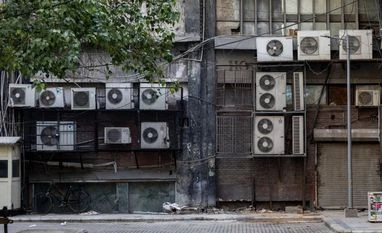 "Air conditioning in India can raise emissions by 120 mn tonnes by 2050")
Explore Business Standard
The study estimates that by 2050, under an over 2-3 degrees Celsius warming forecast, air-conditioning uptake could double in Europe and grow fourfold in India
The increasing use of air conditioners in India could lead to a rise in emissions by as much as 120 million metric tonnes by 2050, according to a study.
The research, published in the journal Scientific Reports, is the first to illustrate the impacts of climate change on the demand for air conditioners and electricity for cooling in Europe and India.
Between now and 2050, with the current fuel mix, there is a risk of a mismatch between what is done for adaptation and mitigation, with increased emissions as a result, the researchers said.
The rush to buy new air conditioners in the residential sector and the resulting increased use of electricity associated will characterise both relatively richer but more temperate European countries, and relatively poorer but warmer Indian states, they said.
The study estimates that by 2050, under an over 2-3 degrees Celsius warming forecast, air-conditioning uptake could double in Europe and grow fourfold in India, reaching about 40 per cent of homes in both regions.
More air conditioning will bring benefits to the population by reducing the heat exposure connected to global warming. Researchers have estimated that cooling technologies will lead the population being exposed to 40 per cent less heat in Europe and 35 per cent less in India by 2050.
On the other hand, this will have a strong impact on emissions. Between now and 2050 the energy production required by the increased use of air conditioners will cause a rise in annual CO2 emissions between 7 and 17 million tonnes in Europe, and between 38 and 160 million tonnes in India.
"With electricity production still based essentially on fossil fuels, air conditioning as a heat adaptation strategy risks undermining our mitigation efforts, i.e., reducing greenhouse gas emissions," said Enrica De Cian, professor at Ca' Foscari University of Venice, Italy.
Researchers noted that mitigating these increases would require a significantly higher energy efficiency of air conditioners sold, which, especially in India, is far below the efficiency of the best available models.
It also requires further push towards decarbonisation of energy production, including more stringent greenhouse-gas mitigation targets that could increase carbon prices by 530 per cent, they added.
(Only the headline and picture of this report may have been reworked by the Business Standard staff; the rest of the content is auto-generated from a syndicated feed.)
First Published: Jun 22 2023 | 4:38 PM IST


