Ashadha Amavasya, also called Amavasai, is marked on the new moon day of the Hindu month of Ashadha, which normally falls in June or July as per the Gregorian calendar.
On this significant day, sacred rituals are conducted to honour and remember ancestors. Devotees generally take holy dips in revered water bodies to clean themselves and perform ceremonies to honour their ancestors.
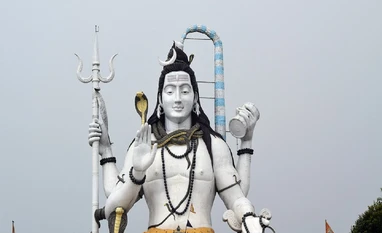
Also, Ashadha Amavasya is a good time to worship Hindu deities like Lord Vishnu and Lord Shiva and ask for their help and blessings. The recognition of this day reflects deep spiritual practices and worship in the Hindu custom.
Ashadha Amavasya 2024: Date and timings
Ashadha Amavasya 2024 date: July 5, 2024
Amavasya Tithi starts: 4:57 AM, July 5, 2024
Amavasya Tithi ends: 4:26 AM, July 6, 2024.
What is the history and importance of Ashadha Amavasya?
Hindus observe this day with special significance to honour ancestors. Under this, devotees perform different ceremonies including Pitru Tarpan, Pind Daan, and organising Gayatri Path for the salvation of departed spirits. Astrology says that when the moon is almost invisible and its energy is low, it represents feelings and emotions.
The Ganga river is considered to be at its most holy during this time. In honour of their ancestors, devotees frequently invite priests and Brahmins to their homes and offer them sattvik food, clothing, and dakshina. As per history, the act of Pitru Tarpan shows the well established custom of ancestor worship.
Ashadha Amavasya: Rituals
1. Get up early in the morning and take a bath at home.
2. Devotees visit Ganga Ghats to take a bath in the Ganga river.
3. Visit sacred places to perform Pitru Puja for the ancestor's peace.
4. Individuals coordinate food stalls to take care of the poor.
5. Coordinate Gayatri Path for the salvation of the ancestors.
6. Feeding crows, ants, dogs and cows on this day is thought of as exceptionally worthy.
7. Welcome Brahmins or qualified priests at home, feed them sattvik food, and give them garments and dakshina.


 "Ashadha Amavasya 2024: History, importance, rituals, timings and more")

