Chief Justice of India B R Gavai on Wednesday said the Constitution of India is supreme, and all three wings of our democracy work under the Constitution.
While some people say that Parliament is supreme, in his opinion the Constitution is paramount, he said.
Justice Gavai, who took oath as the 52nd CJI last month, was speaking at his felicitation in Amravati city of eastern Maharashtra, his hometown.
There is always a discussion as to which wing of democracy -- the executive, legislature or the judiciary -- is supreme, he said.
"While many say and believe that Parliament is supreme, according to me, it is the Constitution of India that is supreme. All three wings of the democracy work under the Constitution," he said.
Referring to a judgment passed by the Apex court on the foundation of the 'Basic Structure' doctrine, CJI Gavai said Parliament has the power to amend, but it can not alter the basic structure of the Constitution.
A judge does not become independent just by passing orders against the government, he further said.
"A judge should always remember that we have a duty, and we are custodians of the rights of citizens and constitutional values and principles. We don't just have power, but a duty is cast upon us," he said.
A judge should not be guided by what people will say or feel about their judgment, the CJI further said.
"We have to think independently. What people will say cannot become a part of our decision-making process," he said.
The CJI asserted that he always let his judgments and work speak, and always stood by the fundamental rights enshrined in the Constitution.
During his speech, the chief justice cited a few of his judgements.
Referring to his judgment against "bulldozer justice", he said the right to shelter is supreme.
CJI Gavai also reminisced about his childhood days on this occasion. While he wanted to be an architect, his father wished that he become a lawyer, he said.
"My father had wanted to become a lawyer but was unable to become one, as at the time he was arrested for being part of the freedom movement," Gavai said.

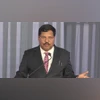 "Constitution is supreme, all three wings of democracy work under it: CJI")

