Divisional engineer used ChatGPT to help candidates cheat in TPSC exam
The accused is suspected of charging Rs 20 to Rs 30 lakh from each candidate for the AEE and DAO exam that was held on January 22 and February 26, respectively
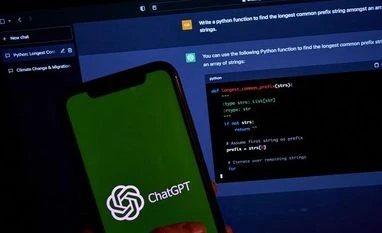
BS Web Team New Delhi The Special Investigation Team (SIT) uncovered a case of cheating during the Telangana State Public Service Commission (TSPSC) exam. The SIT said that Poola Ramesh, a Divisional Engineer with Telangana State Northern Power Distribution Company Limited (TSNPDCL), allegedly used the artificial intelligence (AI) tool, ChatGPT, to help candidates cheat during the TSPSC exam.
Ramesh and his team helped at least seven candidates appearing for the assistant executive engineer (AEE) and divisional accounts officer (DAO) exams by sharing answers with them using a micro Bluetooth earpiece.
SIT suspects that the examiner may have sent photos of the question paper to Ramesh using Whatsapp around 10 minutes after the exam started.
After receiving the exam papers, Ramesh, along with four others, used ChatGPT to generate answers and share them with the candidates using the Bluetooth micro earpiece.
On Monday, SIT arrested Prashanth, Naresh, Mahesh, and Srinivas for allegedly helping Ramesh write the answers to the exam using the AI tool.
Ramesh is suspected of charging Rs 20 to Rs 30 lakh from each candidate for the AEE and DAO exam that was held on January 22 and February 26, respectively.
Additionally, Poola Ravi Kishore, a junior assistant in the electricity department, has been accused of sharing the question paper of the assistant engineer (civil) exam with Ramesh.
Ramesh reportedly sold these leaked papers to around 25 candidates charging between Rs 25-30 lakh each. The exam was conducted on March 25.
According to media reports, a total of 49 people have now been arrested in connection to papers leaked during the TSPSC exam.
Officers are still investigating how the students managed to bring the electronic devices into the exam hall without being detected.

 "Divisional engineer used ChatGPT to help candidates cheat in TPSC exam")


 Connect with us on WhatsApp