Fifth time in a row: India invokes the peace clause for rice in WTO

Prescribed subsidy limit breached for marketing yr 2022-23
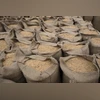
Rice
Representational Image (Photo: Bloomberg)
Shreya Nandi New Delhi
3 min read Last Updated : Apr 08 2024 | 11:15 PM IST
India has invoked the peace clause at the World Trade Organization (WTO) for the fifth consecutive time for the marketing year 2022-23 (October-September) due to breaching the prescribed subsidy limit for rice offered to its farmers.

While the value of India’s production of rice was $52.8 billion in 2022-23, a subsidy worth $6.39 billion was given to farmers during the year, India notified to the WTO.

This means the rice subsidy was 12 per cent of the value of production, thereby breaching the 10 per cent domestic support ceiling, which is in accordance with global trade rules.

However, there is no immediate repercussion for the breach since India has invoked the “peace clause”, agreed upon at the Bali ministerial of WTO in 2013. This provides immunity to developing countries from challenges for breaching the ceiling for wheat and rice until a permanent solution is found.


In its written submission at the WTO, India defended itself by stating that stocks under the programme were “acquired and released in order to meet the domestic food security needs of India’s poor and vulnerable population, and not to distort trade or adversely affect the food security of other Members”.


Sachin Kumar Sharma, professor at the Centre for WTO Studies, said while India had been exceeding the domestic support limits on rice since 2018-19, it had been able to shield its price support-backed public stockholding policies on rice from any legal challenge by invoking the Bali peace clause.


“The larger question is why India is repeatedly breaching its domestic support ceiling on rice. This is mainly because of the outdated and flawed formula at the WTO, which provides an inflated and distorted picture of the level of domestic support being given.” Sharma said.

India has been seeking amendments to the formula for calculating the food subsidy cap and has been pushing hard to fast track its long-pending demand for a “permanent solution” to the issue of public stockholding. India has been complaining the 10 per cent subsidy ceiling is calculated on the basis of the reference price of 1986-88, which became outdated long ago.

Through its public stockholding programme, the government procures foodgrains at a predetermined price and then provides it free of cost to around 80 million through the public distribution system.

A permanent solution is crucial since some developed countries have been raising questions over India’s minimum support price programme for foodgrains, particularly rice, since the subsidy has breached the suggested limit under the WTO trade norms over the last few years.

*Subscribe to Business Standard digital and get complimentary access to The New York Times

Smart Quarterly

₹900

3 Months

₹300/Month

SAVE 25%

Smart Essential

₹2,700

1 Year

₹225/Month

SAVE 46%
*Complimentary New York Times access for the 2nd year will be given after 12 months

Super Saver

₹3,900

2 Years

₹162/Month

Subscribe

Renews automatically, cancel anytime

Here’s what’s included in our digital subscription plans

Exclusive premium stories online

  • Over 30 premium stories daily, handpicked by our editors

Complimentary Access to The New York Times

  • News, Games, Cooking, Audio, Wirecutter & The Athletic

Business Standard Epaper

  • Digital replica of our daily newspaper — with options to read, save, and share

Curated Newsletters

  • Insights on markets, finance, politics, tech, and more delivered to your inbox

Market Analysis & Investment Insights

  • In-depth market analysis & insights with access to The Smart Investor

Archives

  • Repository of articles and publications dating back to 1997

Ad-free Reading

  • Uninterrupted reading experience with no advertisements

Seamless Access Across All Devices

  • Access Business Standard across devices — mobile, tablet, or PC, via web or app

More From This Section

Topics :WTOWTO IndiaRice subsidyRICE

First Published: Apr 08 2024 | 7:54 PM IST

Next Story