
India aims to double maize output to 86 mn tonne by 2047: Shivraj Chouhan
Chouhan said the world's fifth-largest maize producer needs to boost productivity without using genetically modified seeds
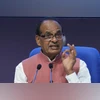 "India aims to double maize output to 86 mn tonne by 2047: Shivraj Chouhan")
Explore Business Standard

Associate Sponsors
Co-sponsor
Chouhan said the world's fifth-largest maize producer needs to boost productivity without using genetically modified seeds
India can more than double its maize production to 86 million tonne by 2047 from the current 42.3 million tonne, Agriculture Minister Shivraj Singh Chouhan said on Monday, calling for development of high-yielding seed varieties with higher starch content.
Speaking at the 11th maize summit organised by industry body FICCI, Chouhan said the world's fifth-largest maize producer needs to boost productivity without using genetically modified seeds.
"We don't use genetically modified seeds, but we can still raise the productivity levels," Chouhan said.
India's average maize productivity stands at 3.7 tonne per hectare, with some states like West Bengal and Bihar performing above the national average, but overall yields need to increase, he said.
The Indian Council of Agricultural Research (ICAR) has developed 265 maize varieties, including 77 hybrids and 35 bio-fortified varieties, but more work is needed, according to the minister.
"There is a need to increase starch level in maize. We need to increase it to 72 per cent from the current 65-70 per cent level so that maize can be used in better way," Chouhan said.
India's maize production has grown from 10 million tonne in the 1900s to the current 42.3 million tonne.
To boost production, states like Punjab and Haryana, which focus on paddy cultivation, should diversify to maize, the minister said.
Chouhan noted that maize prices, which were below the minimum support price (MSP) of Rs 2,400 per quintal, have firmed up following the government's ethanol blending target of 20 per cent by 2025-26.
The minister expressed concern over the sale of substandard seeds, fertilisers and pesticides, calling for a policy framework to take action against such suppliers and manufacturers.
When poultry industry representatives raised concerns about rising maize feed prices, Chouhan said: "I told them let the farmers get the price and we will resolve your issue in different way. The production should rise further." Subroto Geed, President-South Asia at Corteva Agriscience and Co-Chairman of FICCI's Committee on Agriculture, said bridging the demand-supply gap requires collaborative efforts and innovation.
(Only the headline and picture of this report may have been reworked by the Business Standard staff; the rest of the content is auto-generated from a syndicated feed.)
First Published: Jul 07 2025 | 1:13 PM IST

