
SC declines PIL on regulating use of AI, machine learning use in judiciary
The top court said it was aware of the ill effects of artificial intelligence (AI) and machine learning (ML) tools in the judiciary
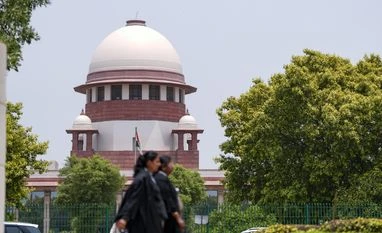 "SC declines PIL on regulating use of AI, machine learning use in judiciary")
WebinarsNew
Deep DiveNew
Explore Business Standard
The top court said it was aware of the ill effects of artificial intelligence (AI) and machine learning (ML) tools in the judiciary
The Supreme Court on Friday refused to entertain a PIL seeking to curb the unregulated use of artificial intelligence and machine learning in the judicial system.
The top court said it was aware of the ill effects of artificial intelligence (AI) and machine learning (ML) tools in the judiciary, but these issues can be appropriately addressed by it on the administrative side rather than through judicial directions.
A bench comprising Chief Justice Surya Kant and Justice Joymalya Bagchi heard senior advocate Anupam Lal Das, appearing for petitioner Kartikeya Rawal, who had sought safeguards against the risks posed by AI-generated content and its alleged misuse in judicial processes.
The senior lawyer said the AI tools create non-existent judicial precedents or judgements and they finally become part of judicial pronouncements.
While acknowledging the concerns, the CJI said this a lesson for the Bar and the judges both.
It casts a duty on the lawyers and the judges to verify the AI generated case laws and this can be dealt with in judicial academies and by the bar bodies by training judicial officers and lawyers.
We use it in a very over-conscious manner and we do not want this to overpower our judicial decision-making, the CJI said.
The CJI said although AI may assist with judicial tasks, it cannot replace or influence judicial reasoning.
Das submitted that lower courts had begun citing non-existent Supreme Court precedents.
He argued that this justified the need for regulatory directions from the top court.
But the CJI said the judiciary was aware of such risks and that they were being addressed through judicial training.
Judges must cross-check. This is part of the judicial academy curriculum and is taken care of. With passage of time, the Bar will also learn, and we will also learn, he said, adding the court saw no need for judicial intervention.
Das pointed to initiatives such as a structured mechanism in the Kerala High Court and the Supreme Court's own white paper on AI.
The Chief Justice reiterated that the concerns were valid but not judicially actionable and invited the petitioner to submit recommendations to the Supreme Court on the administrative side.
Someone with sincere intentions is most welcome to give us suggestions. You can mail them to us, CJI Kant said.
Sensing the mood of the bench, Das sought permission to withdraw the petition which was allowed.
(Only the headline and picture of this report may have been reworked by the Business Standard staff; the rest of the content is auto-generated from a syndicated feed.)
First Published: Dec 05 2025 | 1:32 PM IST


 Connect with us on WhatsApp