
SC quashes plea for Kejriwal's removal as Delhi CM, says it is up to L-G
On April 10, the high court had expressed its displeasure over repeated filing of petitions seeking Kejriwal's removal
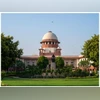 "SC quashes plea for Kejriwal's removal as Delhi CM, says it is up to L-G")
Explore Business Standard
On April 10, the high court had expressed its displeasure over repeated filing of petitions seeking Kejriwal's removal
The Supreme Court on Monday dismissed a plea seeking removal of Arvind Kejriwal as the Delhi chief minister after his arrest in a money laundering case, holding that the petitioner had no legal right to seek his ouster.
A bench of Justices Sanjiv Khanna and Dipankar Datta said resignation in such circumstances is a matter of propriety but there is no legal right to seek removal of Kejriwal as the chief minister following his arrest.
"What is the legal right? On propriety you may certainly have something to say, but there is no legal right. It's up to the LG (Lieutenant Governor) to take action if he wants to. We are not inclined to entertain this (petition)," the bench told petitioner Kant Bhati's counsel.
The bench, while dismissing the appeal challenging the April 10 order of the Delhi High Court said, "When the matter (Kejriwal's petition against arrest) was being heard, we had posed the same question to them. Ultimately, it is a matter of propriety and there is no legal right."
It pointed out that several petitions on the issue have been dismissed by the high court.
On April 10, the high court had expressed its displeasure over repeated filing of petitions seeking Kejriwal's removal.
The court said once it had dealt with the issue and opined that it fell within the executive domain, there should not be any "repeat litigation" as it was not a "James Bond movie that will have sequels".
It had pulled up petitioner Sandeep Kumar, a former AAP MLA, who sought Kejriwal's ouster from the office, for trying to involve the court in a "political thicket" and said it will impose costs of Rs 50,000 on him.
On March 28, the court had dismissed another PIL for Kejriwal's removal, saying that while the petitioner had failed to show any legal bar that prohibited the arrested chief minister from holding office, there was also no scope for judicial interference in such cases as it was for the other organs of the State to consider the issue.
Another similar PIL was dismissed by the high court on April 4, saying it was Kejriwal's personal choice to continue as the chief minister and granted liberty to the petitioner to approach the lieutenant governor (LG).
Last week, the top court granted Kejriwal interim bail in the case, which stemmed from the alleged excise policy "scam", to enable him to campaign in the Lok Sabha elections but barred him from visiting his office or the Delhi secretariat, and signing official files unless absolutely necessary for obtaining the lieutenant governor's approval.
Kejriwal was arrested by the ED on March 21, hours after the high court refused to grant him protection from coercive action by the federal anti-money laundering agency.
(Only the headline and picture of this report may have been reworked by the Business Standard staff; the rest of the content is auto-generated from a syndicated feed.)
First Published: May 13 2024 | 5:56 PM IST

