After starting a probe into alleged violation of norms in branded spices, food regulator FSSAI plans to launch surveillance on other food items like fortified rice, dairy products and spices sold in the domestic market.
According to sources, the Food Safety and Standards Authority of India (FSSAI) is planning surveillance on food items like fruit and vegetables, salmonella in fish products; spice and culinary herbs; fortified rice; and milk and milk products.
FSSAI is already taking samples of spices in powder form of all brands, including MDH and Everest, from across the country in view of quality concerns flagged by Singapore and Hong Kong.
"In view of the current development, FSSAI is taking samples of spices of all brands, including MDH and Everest, from the market to check whether they meet the FSSAI norms," a source had said on April 22.
FSSAI does not regulate the quality of exported spices, sources said.
Early last month, Hong Kong's Center for Food Safety (CFS) asked consumers not to buy and traders not to sell MDH's Madras Curry Powder (spice blend for Madras curry), Everest Fish Curry Masala, MDH Sambhar Masala Mixed Masala Powder, and MDH Curry Powder Mixed Masala Powder.
The CFS had said that samples of several kinds of pre-packaged spice-mix products of two Indian brands were found to contain a pesticide ethylene oxide.
Singapore Food Agency also directed a recall of such spices. After Hong Kong's directive, the Singapore Food Agency (SFA) also ordered a recall of imported 'Everest Fish Curry Masala' from India.
Last week, FSSAI said it was in the process of collecting pan-India samples of Nestle's Cerelac baby cereals, amid a global report claiming that the company was adding higher sugar content to the product.
According to sources, FSSAI carries out various pan-India surveillance on various food products to assess the compliance status of implemented regulations.
The number of samples analysed during the past few years has grown substantially from 1,07,829 in 2020-21 to more than 4,51,000 in 2023-24, registering an increase of more than 3 times.
In 2020-21, 1,07,829 samples were analysed and 28,347 samples were found non-conforming. In 2021-22, 1,44,345 samples were analysed and 32,934 were found non-conforming.
During 2022-23, 1,77,511 samples were analysed and 44,626 found non-conforming. Last fiscal, 4,51,296 samples were analysed.
There has been an increase in cases launched and convictions showing the efforts made by the concerned food safety authorities towards enforcement of the FSS Act 2006.
FSSAI undertakes regulatory testing and monitoring/surveillance of various food products through a chain of food testing laboratories operating in both government and private sectors.
The laboratories are notified as primary and referral laboratories. Presently, 239 primary food testing laboratories, 22 referral laboratories and 12 reference laboratories are operating in the country.
As per the FSSAI Act, samples analysed as Sub-standard and Misbranded are penalised under Sections 50 to 54 of the FSS Act, 2006 where the maximum penalty can be levied up to Rs 5 lakhs for sub-standard food, up to Rs 3 lakhs for Misbranded food and up to Rs 10 lakhs for misleading advertisements.
In case samples are analysed as unsafe will lead to the food businesses being prosecuted under Section 59 of the FSS Act 2006, where a three-month jail term with a penalty of up to Rs 3 lakhs can be levied, where failure does not result in injury.
Whereas in case of injuries caused due to consumption of unsafe food under section 59, from 59(ii) to sec 59 (iv), there is punishment with imprisonment from one year to six years, accompanied with a fine that may range from 3 lakhs to 5 lakhs, as applicable weighing the gravity of the injury.
Further, where such failure or contravention results in death, the defaulter food business operators (FBOs) could be convicted with imprisonment for a term which shall not be less than seven years but which may extend to imprisonment for life and also with a fine, which shall not be less than Rs 10 lakh.


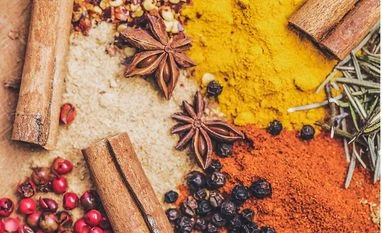 "FSSAI to launch quality check of food items like dairy products, spices")

