Record foreign portfolio inflows in 2023-24 helped the rupee and bond to remain stable amid global uncertainties. Domestic markets received foreign inflows of Rs 3.23 trillion in the financial year FY24, as against an outflow of Rs 45,365 crore in FY23.
The domestic economic conditions remained favorable with the headline inflation largely remaining within the RBI’s comfort zone of 2-6 per cent. (Between April 2023 and February 2024 CPI inflation was above 6 per cent only on two occasions).
Due to this, the monetary policy committee did not hike the repo rate further, which remained unchanged at 6.50 per cent in FY24.
Rupee was the third most stable Asian currency against the US Dollar in the financial year 2023-2024 after Hong Kong Dollar and Singapore Dollar primarily due to timely intervention by the RBI.
The benchmark government bond yield fell by 26 basis points over the year due to a surge in early-stage capital inflows within the debt segment from Foreign Portfolio Investors (FPIs) ahead of inclusion of Indian bonds in the J P Morgan index starting June 2024.
The rupee depreciated by 1.5 per cent over the year, against 7.8 per cent in the previous financial year (FY23).
The local currency exhibited resilience for the major part of the financial year only to depreciate in the last few trading sessions. It hit record closing low of Rs 83.43 against the US dollar on March 22 due to weakness in its Asian peers and continued demand for dollars among local importers.
“If we observe, the rupee was very stable the entire year as compared to other emerging market currencies, we saw volatility only at the end of the financial year,” said V R C Reddy, head of treasury, Karur Vysya Bank.
“Yuan depreciation and Dollar strengthening led to the volatility in the last few trades,” he added.
The third quarter of the financial year posed significant challenges for both the rupee and the bond market. The weakening of the Chinese yuan was the primary reason for the weakening of the rupee in August, prompted by the reduction of the interest rate differential between the yuan and the dollar.
Geopolitical tensions in West Asia and rising crude oil prices led to foreign outflows, which further weighed on the currency starting October.
While most of the emerging-market currencies regained ground against the dollar in November, the rupee lagged its peers, primarily due to persistent demand for the dollar among importers. On November 10, it had hit a record of Rs 83.48 per Dollar.
Moreover, the rise in US Treasury yield due to delay in rate cut expectations aided the government bond yields in the third quarter. The bond market also faced uncertainty due to the looming threat of Market Operations (OMO), with the central bank indicating potential bond sale to suck out liquidity. Despite the warnings, the central bank refrained from conducting any OMO sales.
ALSO READ: Fed's balancing act could see rate cut in play even with sticky inflation “For the bond market, it was a bit of a roller coaster ride. The first quarter was full of optimism of rate cuts by the end of the calendar year and yields fell significantly. Then we got the OMO incident which led to a surge in yields,” said the treasury head at a private bank.
“The year was a mixed bag, but the trajectory ahead looks good,” he added.
The RBI also implemented Incremental Cash Reserve Ratio (ICRR) in August which weighed on the banking system liquidity and the yield on short term bonds surged. The RBI had mandated that with effect from the fortnight beginning August 12, scheduled banks need to maintain an incremental cash reserve ratio (I-CRR) of 10 per cent on the increase in their net demand and time liabilities (NDTL) between May 19 and July 28.

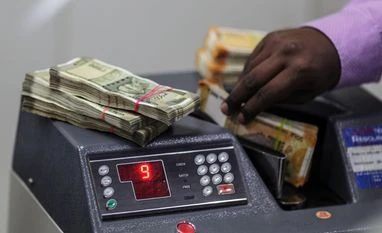 "Rupee most stable Asian currency in FY24 after Singapore, Hong Kong")


