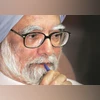
Dr Manmohan Singh trusted India's trade capacity to compete at global level

He introduced a dual exchange rate mechanism in February 1992 and unified exchange rate mechanism in February 1993, effectively engineering a further devaluation of about 30 per cent

Manmohan Singh
TNC Rajagopalan
3 min read Last Updated : Dec 29 2024 | 11:43 PM IST
Dr Manmohan Singh passed away last Thursday, leaving behind memories of how deftly he navigated the Indian economy during its most difficult days in 1991 and launched the liberalisation process that transformed the economy and led to higher economic growth in the following decades. 
When he took over as the Finance Minister, after the previous government had shipped gold to the Bank of England to borrow some money, the forex reserves were barely adequate to cover two weeks of imports. He responded not by restricting imports but by making it easier to import, not by restricting outward remittances but by making it easier to send money abroad. He crushed the parallel market in foreign exchange by devaluing the rupee by about 21 per cent in July 1991. He made smuggling unattractive by reducing import duties on consumer goods. He discouraged black money by bringing down income tax rates. He abolished cash subsidies for exports and import licensing on most items. He abolished industrial licensing and restrictions on foreign investment and acquisition of technology hours before presenting his first Budget, vastly cutting import duties and spelling out his vision of a greater role for the private sector. What stood out during his initial days of economic liberalisation is the confidence he had in businesses coping with global competition. Soon, several sectors were opened up for the private sector. 
He introduced a dual exchange rate mechanism in February 1992 and unified exchange rate mechanism in February 1993, effectively engineering a further devaluation of about 30 per cent. The introduction of Export Promotion Capital Goods scheme allowing import of capital goods at low rates of duty against export obligation and the introduction of value based advance license (VABAL) scheme in 1992 got the corporate sector interested in exploring export markets. The VABAL scheme gave way to the Passbook scheme in 1995 and later to the Duty Entitlement Passbook scheme in 1997 inducing more businesses to explore opportunities in the global markets. During his first term as PM in 2004–09, exports of services were incentivised through the Served from India scheme for the first time. Targeted subsidies like the Focus Market scheme, Focus Product scheme, Market Linked Focus Product scheme, Vishesh Krishi Gram Udyog Yojana scheme, and incentives for incremental exports helped boost exports. Meanwhile, quantitative restrictions were abolished, and legal dispensations for the Special Economic Zone scheme were put in place. India started entering into bilateral treaties for free trade and comprehensive economic cooperation. 
In his second term as PM in 2009–14, the zero-duty EPCG scheme was introduced, and the DEPB scheme was abolished, but exports still grew rapidly. The digitalisation of various processes, which started during his tenure as Finance Minister, gained pace during his tenure as PM. All the while, most economic policies were directed toward greater integration of the Indian economy with the world. 
The best tribute to Dr Manmohan Singh is to trust our entrepreneurs, professionals and businesses to compete globally, abandon the protectionist trade policies being followed since 2014 and become part of global value chains by joining multilateral trade agreements like Regional Comprehensive Economic Partnership agreement.    tncrajagopalan@gmail.com
 

One subscription. Two world-class reads.

Already subscribed? Log in

Subscribe to read the full story →
*Subscribe to Business Standard digital and get complimentary access to The New York Times

Smart Quarterly

₹900

3 Months

₹300/Month

SAVE 25%

Smart Essential

₹2,700

1 Year

₹225/Month

SAVE 46%
*Complimentary New York Times access for the 2nd year will be given after 12 months

Super Saver

₹3,900

2 Years

₹162/Month

Subscribe

Renews automatically, cancel anytime

Here’s what’s included in our digital subscription plans

Exclusive premium stories online

  • Over 30 premium stories daily, handpicked by our editors

Complimentary Access to The New York Times

  • News, Games, Cooking, Audio, Wirecutter & The Athletic

Business Standard Epaper

  • Digital replica of our daily newspaper — with options to read, save, and share

Curated Newsletters

  • Insights on markets, finance, politics, tech, and more delivered to your inbox

Market Analysis & Investment Insights

  • In-depth market analysis & insights with access to The Smart Investor

Archives

  • Repository of articles and publications dating back to 1997

Ad-free Reading

  • Uninterrupted reading experience with no advertisements

Seamless Access Across All Devices

  • Access Business Standard across devices — mobile, tablet, or PC, via web or app

Topics :Manmohan SinghIndia tradeEPCGforeign exchangeIndian EconomyBS Opinion

Next Story