By 1984 the picture changed dramatically as the first F-16s arrived, gifted by the United States (US) five years after the Soviet invasion of Afghanistan. This, however, is not a history of reconstruction of the seven-decade race for air superiority in the subcontinent. It is more about the critical dilemmas India has battled on this front. Of these, Tejas is one outcome and a reasonably good one. It’s a brilliant, reasonably priced, mostly homemade aircraft with a stellar safety record, given only two crashes in 24 years since its first flight. But, is it the best we could have done by 2025? Is it still playing catchup with the competition? Couldn’t we have done this much earlier? Remember that when Manohar Parrikar as defence minister armtwisted a reluctant IAF 2015 to accept Tejas Mark 1A, the deliveries were committed in 2022. Now, we will be fortunate if the first squadron becomes fully operational by early 2027. There is a tactical and strategic price to pay for five-year delays.


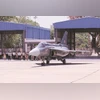 "Tejas crash highlights India's history of playing catch-up in air power")









