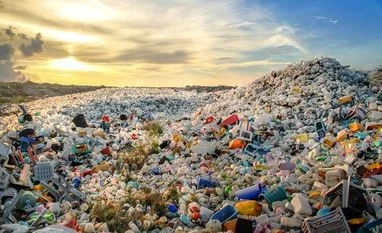
Even nearly 10 months after the ban on single-use plastic products, their use is still rampant in most parts of the country. Though some of the bulk consumers of these materials have switched to their biodegradable alternatives, most other producers, sellers, and consumers of the use-and-throw plastic stuff have continued their business as usual. More worryingly, there has been hardly any noticeable improvement in the system of collection and safe disposal of discarded plastic material, thereby exacerbating the menace of plastic pollution. Apart from littering roads and piling up at landfill sites, thrown-away plastic products have now begun to find their way into water bodies. The Central Pollution Control Board (CPCB) recently conceded the point that the use of disposable plastic items, particularly thin carrybags, continued unabated in the low-end section of the economy. A recent anti-plastic drive carried out in Kerala between March 23 and April 4 led to the confiscation of 25 tonnes of proscribed plastic material. The situation is no better in Delhi, where a 100-day “beat plastic campaign”, which culminated on Earth Day on April 22, has resulted in the seizure of over 14,000 kg of outlawed plastic items. Delhi is, in fact, now the largest producer of plastic waste among all the metropolitan cities in the country.
The genesis of plastic pollution can be traced to the lackadaisical enforcement of the Plastic Waste Management Rules. While the prohibition of the use of select plastic items of limited utility but high littering potential was imposed by the Centre, its implementation was left to the states and their pollution control boards, which have been found wanting in discharging this responsibility. The Centre, too, cannot be totally absolved of the blame. While it displayed remarkable determination at the time of promulgating the ban by spurning the pleas of various lobbies, especially the bulk consumers of plastic straws, for more time for transition to suitable substitutes, it failed in taking up follow-up action. Also, it has not been able to take the states along in putting in place an effective legal framework for plastic waste management. Delhi is a typical case in point. Though the local government had framed the Plastic Waste Management Rules way back in 2019, these are yet to be notified. In several other states, too, plastic waste management norms remain only on paper. Consequently, much of the pernicious and non-biodegradable plastic waste gets mixed with household garbage and reaches landfill sites to rest there for years, emitting toxic fumes. A sizable part of it finds its way into water bodies, including rivers and the sea, adversely affecting the aquatic biodiversity.

 "Plastic ban failure")












 Connect with us on WhatsApp