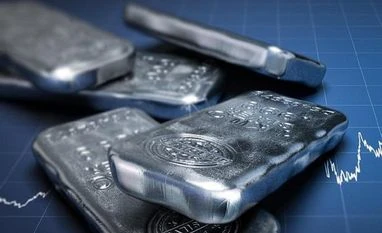
In tandem with the rally in gold, traders and investors have also focused on silver (as well as other precious metals like platinum and vanadium). Silver rose 21 per cent in dollar (USD) terms in 2024 (gold was up 28 per cent), and in 2025 (till May 31), silver and gold both ran up 25 per cent each. This return has comfortably beaten global stock-market indices over the same periods. Indian investors have participated in the bull run in both metals. Between June 2024 and June 1, 2025, assets under management (AUM) of Indian silver exchange-traded funds (ETFs) went up 125 per cent to ₹16,866.20 crore. During the same period, the AUM of gold ETFs grew 82 per cent on a much higher base to ₹62,452.94 crore. As on May 31, 2025, there were over 837,000 silver ETF investor folios, up from 600,000 investor folios as of January 2025.
Many of these industries have strong, secular growth profiles and investors in silver need to take the industrial profile into account. Demand from the solar energy/photovoltaic industry alone is growing at an annual rate of 12 per cent, with demand from other applications also growing fast. Despite the weak global macro environment, there’s industrial demand for silver. As of now, silver prices are trending at multi-year highs (and gold is close to record highs). As with gold, the price of silver is denominated in USD. Hence, when the USD weakens, it tends to drive the price of both metals up. The USD has weakened in recent months, which is one factor driving up prices.
Traders use the ratio of the price of gold to silver as a thumb-rule to judge relative valuations of the two precious metals. Historically this averages out to around 60:1 — about 60 grams of silver is required to buy a gram of gold. Right now, the ratio is over 90, which implies that silver is significantly undervalued relative to gold. Traders have been buying silver to arbitrage this relationship. However, investors should consider the inherent risks of overweighting their asset allocation with precious metals, given that gold and silver are both priced high at the moment. But the trade may seem tempting since the factors mentioned above suggest silver could continue to move up. If the USD weakens further, which is a possibility, both gold and silver could continue their respective rallies. However, the thumb-rule for retail investors is that they should use gold/silver only to diversify. Excessive allocation can increase risk.

 "Silver touch rally: Individual investors must follow the core basics")











