The United States (US) has raised duties on imports from India to 50 per cent, with a 25 per cent levy linked to India’s oil purchases from Russia coming into force. Since the US accounts for nearly one-fifth of India’s exports, the consequences for exporters are severe. According to estimates, about 66 per cent of India’s exports to the US will be covered by the steep 50 per cent tariff and will affect labour-intensive sectors such as gems and jewellery, textile, handicrafts, and agri-products. Higher tariffs will make Indian exports uncompetitive compared to other countries. Last financial year, India exported goods worth $86.5 billion to the US with a surplus of over $41 billion. If this level of tariffs is maintained, these numbers will change dramatically, with a range of consequences for India. US President Donald Trump has also said that additional tariffs will be put on countries that have discriminatory rules for US tech companies. He would also restrict the supply of chips. This could again affect India.
Now that India has been put into this difficult situation, what are its options? The most important thing, of course, is to remain engaged with the US. The recent 2+2 Intersessional Dialogue shows that communication channels remain open. The engagement must continue. The imposition of additional tariffs on India for importing Russian oil clearly shows that Mr Trump is using tariffs to attain geopolitical objectives. It is an ill-informed strategy, but India will have to look for ways to avoid becoming collateral damage. As has been argued in this space earlier, discounts on Russian oil have come down significantly, and India should be able to progressively look for alternative sources. But the risk is that Mr Trump may not stop at oil. He may put another round of tariffs on the pretext of differential treatment of US tech companies or for some other reason. It is thus an extremely difficult situation to deal with. Nevertheless, India must keep negotiating and be prepared to make concessions to the extent possible.
Further, given the unpredictable environment in India’s largest market, Indian exporters need to look at other markets and diversify aggressively. Again, this will not be easy because many countries will be trying to do the same. It will thus be important to finish the ongoing trade negotiations soon, such as the one with the European Union. India should again evaluate its position on entering the mega-regional trade agreements. All this may not solve the immediate problem of the near closure of the US market, but India will have to look at the medium- to long-term prospects.
Indian firms will be able to do well in the international market only if they are competitive. India has been reluctant to get into trade agreements largely because of the competitiveness issue. It’s time to address it head-on. India must move quickly on a range of next-generation reforms. Prime Minister Narendra Modi talked about it in his Independence Day address. It’s time for the rest of the system to move forward in this direction quickly. Delays in implementing reforms to improve ease of doing business could have a disproportionate effect on India’s growth and employment prospects in the medium to long run. Therefore, in the given circumstances, India needs to focus on three key areas: Maintaining engagement with the US, diversifying trade, and strengthening competitiveness. The global environment will likely remain unfavourable for a considerable period.

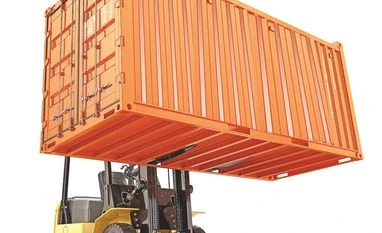 "Tariff trials: India needs to diversify markets, increase competitiveness")












 Connect with us on WhatsApp