Home / World News / China on track to land astronauts on moon by 2030, ahead of space mission
China on track to land astronauts on moon by 2030, ahead of space mission
China is also preparing to send up its latest rotation of astronauts who make up part of the ongoing mission to complete the Tiangong space station, part of its broader space exploration plans
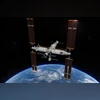
China began work on the Tiangong, or Heavenly Palace, after the country was excluded from the International Space Station over US national security concerns | Photo: Wikimedia Commons
China said Thursday it's on track to land astronauts on the moon by 2030 as it introduced the next crew of astronauts who will head to its space station as part of the country's ambitious plans to be a leader in space exploration.
Currently, each programme of the research and development work of putting a person on the moon is progressing smoothly, said Zhang Jingbo, spokesman for the China Manned Space Programme, citing the Long March 10 rocket, moon landing suits and exploration vehicle, as fruitful efforts of that work. Our fixed goal of China landing a person on the moon by 2030 is firm." China is also preparing to send up its latest rotation of astronauts who make up part of the ongoing mission to complete the Tiangong space station, part of its broader space exploration plans. Each team stays inside the station for six months, conducting research.
The latest crew joining others on the station will be made up of Zhang Lu, Wu Fei and Zhang Hongzhang. They will take off from the Jiuquan launch center Friday at 11:44 pm in China. Zhang was previously part of the Shenzhou 15 mission to the station. For Wu and Zhang, this will be their first time in space.
The astronauts will also carry four mice with them on this trip, two male and two female. They will study the effects of weightlessness and confinement on the animals.
China began work on the Tiangong, or Heavenly Palace, after the country was excluded from the International Space Station over US national security concerns over the Chinese space programme's direct link to the People's Liberation Army.
(Only the headline and picture of this report may have been reworked by the Business Standard staff; the rest of the content is auto-generated from a syndicated feed.)

 "China on track to land astronauts on moon by 2030, ahead of space mission")


