China's economic slowdown continues, real estate at persistent risk
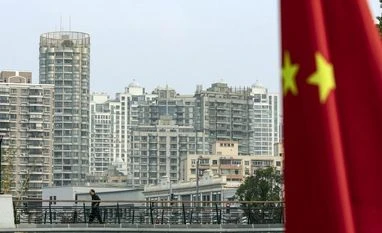
The US-based news daily reported that the construction sites around China appear visibly less busy and construction of apartment towers has faltered because of falling apartment prices
ANI Asia The troubles of China's real estate sector continue to cast a long shadow over the country's economic prospects as property investments continue to plummet, The New York Times reported on Friday.
The US-based news daily reported that the construction sites around China appear visibly less busy and construction of apartment towers has faltered because of falling apartment prices.
Quoting data released on Friday for prices of new apartments in 70 large and medium-sized cities across China, Goldman Sachs calculated that prices fell in August at a seasonally adjusted annual rate of 2.9 per cent, compared with 2.6 per cent in July.
Moreover, the data shows that new apartments considerably understate the speed and extent of price declines, however, as local governments have put heavy pressure on developers not to cut prices.
Prices of existing homes in 100 cities across China fell an average of 14 per cent by early August from their peak two years earlier, according to the Beike Research Institute, a Tianjin research firm. Rents have fallen 5 per cent.
Apart from this, China's banking sector is also struggling with the repayment of debt payments from defaulters as loans that banks have made to property developers have been defaulted.
According to The New York Times, the main barrier behind the immediate repayment of loans from defaulters is the involvement of loans to the local governments and their financial affiliates.
The central bank, the People's Bank of China, announced on Thursday that it was freeing banks to set aside smaller reserves and start extending more credit. The move was widely seen as intended to accommodate a large batch of bonds that local and provincial governments will issue to pay for their infrastructure projects, reported The New York Times.
Retail sales in August were up 4.6 per cent from a year earlier, as rising energy prices most likely pushed up retail sales, Nomura said.
A main reason retail sales rebounded was that a year ago, people in China were still living under stringent "zero Covid" measures that restricted their activity.
Beer and wine production dropped from a year earlier, while output rose for bottled water, carried by many Chinese people during outdoor activities, and production of fruit and vegetable juices climbed sharply.
(Only the headline and picture of this report may have been reworked by the Business Standard staff; the rest of the content is auto-generated from a syndicated feed.)

 "China's economic slowdown continues, real estate at persistent risk")


 Connect with us on WhatsApp