
China says no novel pathogens detected in surge of pneumonia cases: WHO
Some of these increases are occurring earlier in the season than usual, although this is not surprising given the easing of COVID-19 limitations, as seen in other nations
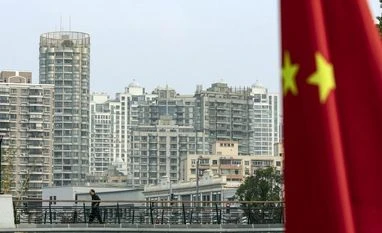 "China says no novel pathogens detected in surge of pneumonia cases: WHO")
Explore Business Standard

Associate Sponsors
Co-sponsor
Some of these increases are occurring earlier in the season than usual, although this is not surprising given the easing of COVID-19 limitations, as seen in other nations
Following a pressing demand from the World Health Organisation to reveal more information on the surge in respiratory illnesses among children, China said there is no detection of any unusual or novel pathogens.
Some of these increases are occurring earlier in the season than usual, although this is not surprising given the easing of COVID-19 limitations, as seen in other nations.
"No changes in the disease presentation were reported by the Chinese health authorities. Chinese authorities advised that there has been no detection of any unusual or novel pathogens or unusual clinical presentations, including in Beijing and Liaoning, but only the aforementioned general increase in respiratory illnesses due to multiple known pathogens," the WHO official press release read.
On November 23, the Global Health Body held a teleconference with Chinese health officials from the Chinese Centre for Disease Control and Prevention and the Beijing Children's Hospital, which was facilitated by the National Health Commission and the National Administration of Disease Control and Prevention, during which the requested data, indicating an increase in outpatient consultations and hospital admissions of children due to Mycoplasma pneumoniae, were provided, the release added.
They further stated that the rise in respiratory illness has not resulted in patient loads exceeding hospital capacities.
The Chinese authorities advised that enhanced outpatient and inpatient surveillance has been implemented since mid-October for respiratory illnesses covering a broad spectrum of viruses and bacteria, which also for the first time, includes Mycoplasma pneumoniae.
On November 22, WHO requested additional epidemiologic and clinical information, as well as laboratory results from these reported clusters among children, through the International Health Regulations mechanism.
The WHO requested further information about recent trends in the circulation of known pathogens, including influenza, SARS-CoV-2, RSV and mycoplasma pneumoniae, and the current burden on healthcare systems.
"WHO is also in contact with clinicians and scientists through our existing technical partnerships and networks in China," according to the release.
Since mid-October, northern China has reported an increase in influenza-like illnesses compared to the same period in the previous three years. China has systems in place to capture information on trends in influenza, influenza-like illnesses, RSV, and SARS-CoV-2 and report to platforms such as the Global Influenza Surveillance and Response System.
The organisation recommended that people in China follow measures to reduce the risk of respiratory illness, which include recommended vaccination; keeping distance from people who are ill; staying home when ill; getting tested and medical care as needed; wearing masks as appropriate; ensuring good ventilation; and regular hand-washing.
WHO will continue to provide updates, the release said.
Chinese authorities from the National Health Commission, at a press conference on November 13, reported an increase in the incidence of respiratory diseases in China.
Chinese authorities attributed this increase to the lifting of COVID restrictions and the circulation of known pathogens such as influenza, mycoplasma pneumonia (a common bacterial infection that typically affects younger children), respiratory syncytial virus (RSV), and SARS-CoV-2 (the virus that causes COVID-19), as per a release issued by the WHO.
Authorities stressed the need for enhanced disease surveillance in healthcare facilities and community settings, as well as strengthening the capacity of the health system to manage patients.
(Only the headline and picture of this report may have been reworked by the Business Standard staff; the rest of the content is auto-generated from a syndicated feed.)
First Published: Nov 24 2023 | 8:09 AM IST

