Visiting Vietnam to enhance political and trade ties amid a major tariff row with the US, Chinese President Xi Jinping Monday said that China will ensure continuity and stability in its neighbourhood diplomacy and jointly advance the modernisation of Asia.
Xi arrived in Hanoi on his first visit abroad after US President Donald Trump slapped steep tariffs against China while pausing levies on a host of other countries, including Vietnam, Malaysia and Cambodia - the three countries on the Chinese president's current itinerary.
In an article published in Vietnam's Nhan Dan newspaper ahead of his visit, Xi said China would deepen friendly cooperation with neighbouring countries by ensuring continuity and stability of its neighbourhood diplomacy.
We will stay committed to the principle of amity, sincerity, mutual benefit and inclusiveness," he wrote. "We will continue to pursue the policy of forging friendship and partnership with our neighbours," he added.
Xi, who is under pressure after Trump's unprecedented 145 per cent tariffs against Chinese exports to the US which amounted to over USD 438 billion last year, spoke of focussing on joint modernisation of Asia along with China's neighbours as part of its new policy to reduce trade dependence on the US and the EU.
While Beijing hit back with 125 per cent tariffs against US goods in tit-for-tat retaliation, foreign trade-dependent China looks to fast-paced diversion of its commerce to make up the losses.
Asia represents a new elevation in global cooperation and development. At a new starting point toward revitalisation of the whole region, Asia faces both unprecedented opportunities and challenges, Xi said.
Amid the tariff war with the US, Xi is visiting the three Southeast Asian countries which are part of the ASEAN bloc with which Beijing has its largest foreign trade, totalling over USD 962 billion.
The ASEAN countries, Vietnam in particular also faced a major crisis as the US tariffs targeted the country which prospered by reshoring Chinese industries and products and exporting them to the US, benefiting from Trump's tariffs against China in his previous term.
Vietnam became the biggest beneficiary of the China Plus One strategy of several multinational firms like Apple besides Chinese companies moving their investments there to escape the US tariffs, becoming one of the key trade routes for exports to America.
Last year alone, Vietnam's exports to the US amounted to over USD 142 billion.
Trump last week hit Vietnam with 46 per cent tariffs, one of the highest besides China, in an apparent bid to target Hanoi's reshoring policy.
After fervent appeals from Vietnam, Trump agreed to negotiate a new tariff deal during the 90-day pause in the levies on many countries except China.
Before the key visit to three Southeast nations, Xi pledged to strengthen strategic bonds with neighbouring nations by appropriately managing differences and enhanced supply chain ties as the tariff war with the US escalated.
In his first public speech after Trump's tariffs, Xi called for breaking new ground for China's neighbourhood diplomacy at a meeting of the ruling Communist Party of China in Beijing on April 9.
China sought to improve ties with several countries in its fraught neighbourhood.
Beijing in recent months winded down border tensions with India and sought to improve its relations with other major neighbours like Japan and South Korea, bracing for tough times under the Trump presidency on trade and strategic fronts.
The India-China relations, which remained frozen for over four years over the Eastern Ladakh military standoff, showed signs of improvement after the meeting between Xi and Prime Minister Narendra Modi at Kazan in Russia last October.
Recently, China held trade talks with South Korea and Japan, the first economic dialogue between the three countries in five years, to discuss regional trade facilitation.
China is also ramping up trade relations with several other countries in the neighbourhood under its Belt and Road Initiative (BRI) cooperation.

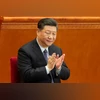 "China will ensure stable diplomatic ties with neighbourhood: Xi Jinping")


