
Climate measures will not fully close emissions gap by 2030: Germany
German officials said that an array of climate measures being introduced by the govt will bring the country closer but not all the way toward meeting its national goals
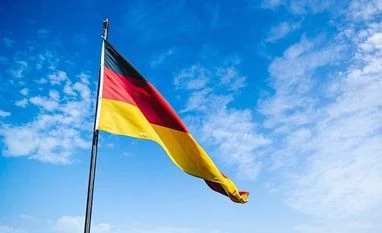 "Climate measures will not fully close emissions gap by 2030: Germany")
WebinarsNew
Deep DiveNew
Explore Business Standard
German officials said that an array of climate measures being introduced by the govt will bring the country closer but not all the way toward meeting its national goals
German officials said on Wednesday that an array of climate measures being introduced by the government will bring the country closer but not all the way toward meeting its national goals for cutting greenhouse gas emissions by 2030.
Germany's Climate Ministry said measures already in place or soon to become law will reduce emissions by about 900 million metric tons of carbon dioxide for the period from 2022 to 2030.
An emissions gap of about 200 million tons of CO2 will remain and needs to be closed through additional steps over the coming years, largely because of persistent high emissions in the transportation sector.
Germany aims to reduce its emissions of planet-warming gases by 65 per cent from 1990 levels by 2030. The target for 2040 is an 88 per cent reduction on the path to net zero" emissions by 2045.
A sharp increase in wind and solar power, energy efficiency improvements and subsidies for industry to reduce fossil fuel use are among the measures taken or planned by Chancellor Olaf Scholz's government since it took office in late 2021.
The political message is that, when I became a minister, achieving the climate targets looked impossible, Economy and Climate Minister Robert Habeck told reporters in Berlin.
For the first time, I would say, it is possible to keep to the climate targets, added Habeck, a member of the environmentalist Greens who is also Germany's vice chancellor.
The art of making things possible consists in not easing off now; I would say that we have put the ship back on course, and of course it is important now to pick up speed.
After months of haggling that helped push down the governing coalition's poll ratings, leaders of the three-party alliance also reached a compromise this week over plans to replace old fossil fuel heating systems with cleaner alternatives such as heat pumps. Habeck acknowledged that concrete details still have to be worked out in the coming weeks.
Germany's solar industry warned on Wednesday that it urgently needs more workers to meet demand for photovoltaic installations in the coming years.
Solar industry lobby group BSW said that companies need to hire about 100,000 skilled workers as annual installations are expected to rise to 26 gigawatts by 2026 from 7.4 GW last year.
(Only the headline and picture of this report may have been reworked by the Business Standard staff; the rest of the content is auto-generated from a syndicated feed.)
First Published: Jun 14 2023 | 11:45 PM IST


 Connect with us on WhatsApp