
Dhaka University closed indefinitely; students asked to vacate dorms
This decision was taken at an emergency syndicate meeting at the office of Vice Chancellor ASM Maksud Kamal
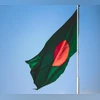 "Dhaka University closed indefinitely; students asked to vacate dorms")
WebinarsNew
Deep DiveNew
Explore Business Standard
This decision was taken at an emergency syndicate meeting at the office of Vice Chancellor ASM Maksud Kamal
Authorities at the premier Dhaka University on Wednesday announced an indefinite closure of the institution after ongoing protests demanding reforms in the quota system in government jobs turned violent and left at least six people, including three students, dead across the country.
The students have been asked to vacate their dormitories by 6 pm on Wednesday.
This decision was taken at an emergency syndicate meeting at the office of Vice Chancellor ASM Maksud Kamal, Pro-VC (Academic) Prof Sitesh C Bachar was quoted as saying by the Dhaka Tribune.
"Considering the security of the students, we have decided to close the university indefinitely and evacuate the halls," Bachar told The Daily Star.
However, students of the university are protesting the decision, and they have thronged the VC's residence, the report added.
At least six people, including three students, were killed and more than 100 others injured on Tuesday after protesters demanded quota reforms in public service and clashed with police in major cities across Bangladesh, forcing the closure of schools and colleges.
The High Court on June 5 declared illegal a 2018 government circular that abolished quotas in government jobs, and on July 10, the Supreme Court issued a status quo on the High Court judgement.
The University Grants Commission (UGC) directed all universities to suspend academic activities until further notice and instructed students to leave residential halls.
In response, an urgent meeting of Dhaka University's highest policy making body, the syndicate, was convened on Wednesday.
The UGC's directive followed a series of clashes that erupted during the quota reform protests.
The clashes, however, erupted on Monday as activists of ruling Awami League's student front confronted the protestors who insist the existing quota system was largely debarring the enrolment of meritorious students in government services.
Demonstrators accused the ruling party's student wing, Bangladesh Chhatra League of attacking their peaceful protests with backing from police.
The protesters blockaded highways and railway routes in four major cities: central Dhaka, northwestern Rajshahi, southwestern Khulna, and the major port city Chattogram.
Police fired tear gas canisters and rubber bullets as university students battled with counter-protesters armed with sticks and brickbats.
Rival student groups marched in several key locations around the capital Dhaka, some throwing bricks at each other, with traffic in the city of 20 million almost ground to a halt.
Students of the premier Dhaka University took the lead in the latest one-week protests for recruitment in first- and second-class government jobs, demanding seats to be filled based on talent reforming the existing quota system.
Under the existing system, 30 per cent of jobs are reserved for descendants of 1971 Liberation War veterans, 10 per cent for administrative districts, 10 per cent for women, five per cent for ethnic minority groups and one per cent for physically handicapped people.
Every year, 3,000 government jobs open up to nearly 400,000 graduates.
(Only the headline and picture of this report may have been reworked by the Business Standard staff; the rest of the content is auto-generated from a syndicated feed.)
First Published: Jul 17 2024 | 3:05 PM IST


 Connect with us on WhatsApp