
Funeral for slain Hezbollah leader Hassan Nasrallah set for Feb 23
Nasrallah was killed on Sept. 27 after a series of Israeli airstrikes struck several buildings in a southern Beirut suburb
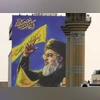 "Funeral for slain Hezbollah leader Hassan Nasrallah set for Feb 23")
Explore Business Standard
Nasrallah was killed on Sept. 27 after a series of Israeli airstrikes struck several buildings in a southern Beirut suburb
The Lebanese Hezbollah group Sunday announced the funeral of its longtime leader will take place on Feb. 23, months after he was assassinated in a series of Israeli airstrikes in a southern Beirut suburb.
Secretary-General Naim Kassem made the announcement regarding his predecessor Hassan Nasrallah in a prerecorded speech. It came days after a US-brokered ceasefire agreement that ended the war between the Lebanese militant group and Israel was extended until February 18.
Nasrallah was killed on Sept. 27 after a series of Israeli airstrikes struck several buildings in a southern Beirut suburb. A top security aide said Nasrallah was inside the militant group's war operations room when the strikes took place.
Israeli troops are still present in parts of southern Lebanon, where under the ceasefire agreement they are supposed to gradually withdraw while Hezbollah's militants withdraw north of the Litani River as Lebanese army soldiers disperse. Residents of those villages, many waving Hezbollah flags, have been protesting in those villages and have scuffled with Israeli troops, which Kassem praised.
The South says that there is no possibility for Israel to remain in it, there is no possibility for Israel to remain an occupier, and let everyone know that the sacrifices, no matter how great, will ultimately lead to the liberation of the land and the exit of Israel, said Kassem.
Earlier on Sunday, Israeli forces opened fire to disperse protesters in the southern villages of Yaroun and Kfar Kila. The Lebanese Health Ministry did not announce any casualties.
Last week, 24 protesters were killed after Israeli troops opened fire on them, according to the health ministry.
Despite its military capabilities largely destroyed in the war, Israel says it needs to remain in the country longer to take out Hezbollah's military infrastructure, including its tunnel network.
The funeral procession will also be for Hashem Safieddine another slain senior Hezbollah official who was seen as Nasrallah's successor.
Nasrallah led Hezbollah since 1992, and is seen as a transformative leader to the group, which grew from a local militant group into a regional paramilitary force with an influential political presence in Lebanese government.
(Only the headline and picture of this report may have been reworked by the Business Standard staff; the rest of the content is auto-generated from a syndicated feed.)
First Published: Feb 03 2025 | 8:07 AM IST

