
Gaza has oil markets on edge, could build more urgency to transition: IEA
Today we are again facing a crisis in the Middle East that could once again shock oil markets," said IEA Executive Director Fatih Birol
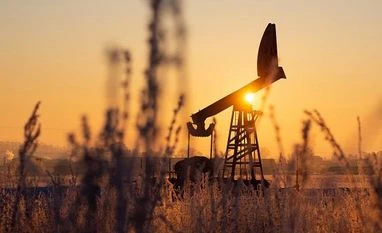 "Gaza has oil markets on edge, could build more urgency to transition: IEA")
Explore Business Standard

Associate Sponsors
Co-sponsor
Today we are again facing a crisis in the Middle East that could once again shock oil markets," said IEA Executive Director Fatih Birol
Tensions from the war in Gaza could help accelerate the move away from planet-warming fossil fuels like oil and gas and toward renewable energy, electric cars and heat pumps similar to how sharp increases in the price of oil during the 1970s unleashed efforts to conserve fuel, the head of the International Energy Agency said.
Today we are again facing a crisis in the Middle East that could once again shock oil markets," said IEA Executive Director Fatih Birol. That comes on top of the stress on energy markets from Russia's cutoff of natural gas to Europe over its invasion of Ukraine, he said.
Put these two things together, and no one can convince me that oil and gas are safe and secure energy choices for countries or consumers, Birol told The Associated Press in an interview ahead of the publication Tuesday of the IEA's annual world energy outlook, which analyzes the global picture of energy supply and demand.
This could further accelerate the energy transition around the world," with renewable sources like wind or solar offering a long lasting solution to energy security issues as well as climate change, he said.
The attack on Israel by the militant organisation Hamas and the ensuing Israel military operations have raised fears of a wider Mideast conflict. So far oil price rises have been relatively moderate. International benchmark Brent crude traded at USD 90.17 per barrel Tuesday, up from around USD 84 on the eve of the Hamas attack. So far the fighting has not led to a supply interruption.
Fossil fuel prices are down from 2022 peaks, but markets are tense and volatile," said the IEA in the report.
Some of the immediate pressures from the global energy crisis have eased, but energy markets, geopolitics, and the global economy are unsettled and the risk of further disruption is ever present, it said.
Birol pointed out that there was a major government response to the energy supply concerns that arose 50 years ago from the Arab oil embargo imposed during the 1973 Yom Kippur war.
It sent oil prices nearly 300 per cent higher and led to the founding of the IEA in 1974 to help shape a collective response to the disruption. That was followed by the 1978 Iranian revolution, which added another price shock. At the time, the solutions included the rollout of nuclear power plants and the imposition of mileage standards for cars.
This time, we have all of the available technologies," Birol said. We have solar, wind, nuclear power, electric cars. They will extend significantly around the world and it will be an additional boost to the energy transition.
He pointed to the rapid rollout of electric cars, saying that in 2020 only one in 25 cars was electric but in 2023 it was one in five. Meanwhile the share of fossil fuels in electricity generation has fallen from 70 per cent ten years ago to 60 per cent today and should reach 40 per cent by 2030, he said.
Concerted international action at the upcoming United Nations climate conference is needed to expand use of clean technologies and find new ways of financing the massive investment that is needed, especially in the developing world, the IEA said.
The report also pointed to a shifting role for China, once a leading source of increased demand for energy due to rapid industrialization and growth. The report said energy demand there could peak as soon as 2025 amid slowing growth and impressive shifts to clean energy like solar and nuclear.
The IEA estimates that demand for fossil fuels will peak before 2030 under current policies but says governments will have to increase their efforts to speed up the transition if the world is to meet the global goal of keeping warming below 1.5 degrees Celsius (2.7 degrees Fahrenheit).
(Only the headline and picture of this report may have been reworked by the Business Standard staff; the rest of the content is auto-generated from a syndicated feed.)
First Published: Oct 24 2023 | 5:00 PM IST

