Efforts to agree on a treaty to curb the proliferation of plastics stalled on Friday, leaving nearly three years of negotiations in limbo.
Delegates walked away from the United Nations meeting in Geneva without an agreement, after convening earlier in the month in order to break a deadlock over how to address the threat that plastic pollution poses to human health, wildlife and ecosystems.
Chair Luis Vayas Valdivieso adjourned talks early on Friday morning after delegates objected to a text they said lacked mandatory requirements to phase out harmful chemicals, contribute to a fund to pay for cleanup and remediation or limit production. Negotiations would resume at an unspecified future date, organizers said.
“Countries decided that it was better to leave with no treaty than a weak treaty,” said Christina Dixon, ocean campaign leader at the Environmental Investigation Agency, who was observing the talks.
Plastics production continues to grow explosively, according to a 2024 report from the the Organisation for Economic Co-operation and Development. It doubled between 2000 and 2019, from 234 to 460 million tons. Without more ambitious policies, the amount of plastics produced around the world is set to reach 736 million tons by 2040.
Of the 16,000-plus chemicals in plastics, more than one-fourth are known to be hazardous to human health, while the majority have never been tested for toxicity, according to a recent paper in Nature. These chemicals appear to be found in every major plastic type, the study found.
In the final meeting, countries expressed dismay that an agreement was still out of reach. “Our work has been frustrated and we are incredibly disappointed that we have not been able to agree a treaty,” said Emma Hardy, the UK’s water minister, in the closing plenary early on Friday.
“Failing to reach the goal we set for ourselves may bring sadness, even frustration,” said Vayas Valdivieso in a statement following the conclusion of the conference. “Yet it should not lead to discouragement. On the contrary, it should spur us to regain our energy, renew our commitments, and unite our aspirations.”
Fabienne McLellan, managing director of OceanCare, a nonprofit, said the most recent draft presented by the chair wasn’t strong enough and delegates had declined to agree on a treaty that was insufficiently binding. “This is a missed opportunity that the ocean cannot afford,” she said in an emailed statement. UN member states were divided by “hardline positions,” OceanCare said.
Efforts to settle on a treaty have been frustrated by a fundamental disagreement over how best to manage the environmental and health problems caused by plastic.
Over six rounds of negotiations, delegates struggled to bridge a divide between two groups. The majority of countries favored a treaty that would cap the amount of plastic produced and set limits on certain toxic chemicals, while a smaller group led by oil-producing countries including Saudi Arabia and Kuwait wanted to keep the agreement’s focus on plastic waste collection and better recycling.
During the most recent set of talks, the US aligned itself with this second group, saying it opposed any restrictions on business and commerce. The shift made it easier for opponents of more ambitious action to frustrate efforts to include those types of measures, observers said, though the structure of the UN talks, which require agreement from everyone in attendance, meant the gap between the parties was always going to be difficult to close.
“Certainly the US realignment has bolstered that group,” said Cressida Bowyer, deputy director of the Revolution Plastics Institute at the University of Portsmouth, who attended the talks.
Jessika Roswall, the European Union’s environment commissioner, said the the bloc will seek to use the latest version as a basis for a stronger agreement in future. The EU “will continue to push for a stronger, binding agreement that safeguards public health, protects our environment, and builds a clean, competitive, and circular economy,” she said.

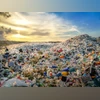 "Global plastic treaty talks collapse as hardline stances stall progress")


 Connect with us on WhatsApp