Nobel laureate Malala Yousafzai on Tuesday said the protests in Iran are inseparable from long-standing, state-imposed controls on women and girls.
In a post on X, Yousafzai said the unrest could not be viewed in isolation from restrictions placed on women’s autonomy across public life, including education.
“The protests in Iran cannot be separated from the long-standing, state-imposed restrictions on girls’ and women’s autonomy in all aspects of public life, including education. Iranian girls, like girls everywhere, demand a life with dignity,” she said.
She added that Iranians had warned about repression for years despite severe personal risks, and that their voices were silenced for decades.
“These restrictions exist within a wider system of gendered control shaped by segregation, surveillance and punishment — one that limits freedom, choice and safety far beyond the classroom,” Yousafzai said.
She said Iranians demanded their voices be heard and sought the right to shape their own political future.
“That future must be driven by the Iranian people and include the leadership of Iranian women and girls — not external forces or oppressive regimes,” she said.
“I stand with the people and girls of Iran in their call for freedom and dignity. They deserve to determine their own future,” Yousafzai said as she concluded her post.
Protests, restrictions and mounting death toll
Protest-hit Iran remained at the centre of global attention. On Tuesday, authorities eased some restrictions and allowed people to make international phone calls via mobile phones for the first time in days, news agency Associated Press (AP) reported.
According to the report, the internet curbs stayed in place, and texting services were not restored, even as the toll from days of violent protests rose to at least 646 deaths.
The demonstrations began on December 28 over rising prices, inflation and economic hardship, before spreading nationwide. Clashes were reported between protesters and security forces in several cities.
Economic strain and political slogans
While internal disputes and protests have affected the country’s political climate for a while now, Iran’s currency has weakened sharply, with the rial falling beyond 1.4 million against the US dollar. Prices of essentials such as meat and rice surged, while inflation remained close to 40 per cent.
Early chants focused on economic distress, but slogans later shifted towards opposition to the clerical establishment. Some protesters voiced support for Reza Pahlavi, the exiled son of Mohammad Reza Pahlavi, the deposed shah of Iran.
Many supporters called for a return to the monarchy, although Reza Pahlavi said he favoured a referendum to allow Iranians to decide their system of governance.
Demands for democracy and resistance to strict Islamic laws had built steadily, particularly after the death of Mahsa Amini, 22, in police custody in 2022.
In September that year, Amini was arrested in Tehran by the morality police over alleged violations of Iran’s dress code. She was taken to a re-education centre, collapsed there, and died in hospital days later.

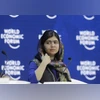 "Iranian girls deserve to determine their own future: Malala Yousafzai")


 Connect with us on WhatsApp