Home / World News / Netanyahu coalition rattled as ultra-Orthodox party plans exit over new law
Netanyahu coalition rattled as ultra-Orthodox party plans exit over new law
The issue has long divided Jewish Israelis, most of whom are required to enlist, a rift that has only widened since the war in Gaza began and demands on military manpower grew
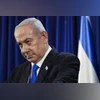
The departure of a party that has long served as a kingmaker in Israeli politics doesn't immediately threaten Netanyahu's rule | (Photo: PTI)
An Israeli ultra-Orthodox party that has been a key governing partner of Prime Minister Benjamin Netanyahu said early Tuesday it was leaving the coalition government, threatening to destabilise the Israeli leader's rule at a pivotal time in the war in Gaza.
United Torah Judaism's two factions said they were bolting the government over disagreements surrounding a bill that would codify broad military draft exemptions for their constituents, many of whom study Jewish texts instead of enlisting in the military.
The issue has long divided Jewish Israelis, most of whom are required to enlist, a rift that has only widened since the war in Gaza began and demands on military manpower grew.
The departure of a party that has long served as a kingmaker in Israeli politics doesn't immediately threaten Netanyahu's rule. But, once it comes into effect within 48 hours, it will leave the Israeli leader with a slim majority in a government that could now more heavily rely on the whims of two far-right parties.
Those parties oppose concessions in ceasefire negotiations with Hamas and have themselves quit or threatened to quit the government over moves to end or even pause the war in Gaza.
The political shake-up comes as Israel and Hamas are discussing the terms of a truce for the 21-month war in Gaza. Despite heavy pressure from the US, Israel's top ally, and mediators Egypt and Qatar, there is no breakthrough yet in the talks. A recurring sticking point has been whether the war ends as part of any truce, and Netanyahu's far-right parties oppose ending the war while Hamas remains intact.
United Torah Judaism's departure has a window of 48 hours before becoming official, meaning Netanyahu can still find ways to satisfy the party and bring it back into the coalition.
But Shuki Friedman, vice president of the Jewish People Policy Institute, said the gaps between the draft law currently on the table and the demands of the party are still wide, making a compromise unlikely during that time.
Friedman said the party's departure doesn't immediately put Netanyahu's rule at risk. A vote to dissolve parliament, which would bring down the government and trigger new elections, can't be brought by the opposition until the end of the year because of procedural reasons.
And a summer recess for Parliament, beginning later this month and stretching until October, gives Netanyahu another attempt to bridge the gaps and bring the party back into the coalition.
Cabinet Minister Miki Zohar, from Netanyahu's Likud party, said he was hopeful the party could be coaxed back to the coalition. God willing, everything will be fine, he said.
A Likud spokesman did not immediately respond to a request for comment.
(Only the headline and picture of this report may have been reworked by the Business Standard staff; the rest of the content is auto-generated from a syndicated feed.)

 "Netanyahu coalition rattled as ultra-Orthodox party plans exit over new law")


 Connect with us on WhatsApp