Home / World News / Pakistan's rooftop solar boom sparks concern for debt-strapped govt
Pakistan's rooftop solar boom sparks concern for debt-strapped govt
The government buys power from generators and sells it to consumers, using revenues to pay back creditors such as China
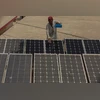
Pakistan imported $1.5 billion worth of panels this year, becoming the third-biggest importer globally, according to BloombergNEF | Image: Wikimedia Commons
The spread of rooftop solar has been an unlikely lifeline for Pakistan’s citizens burdened by sky-high bills and frequent blackouts. Now it’s also testing the country’s ability to pay its energy debts.
The government buys power from generators and sells it to consumers, using revenues to pay back creditors such as China. But it’s long been doing so at a loss, and collections are now starting to decline as families and businesses increasingly generate their own clean power.
Lawmakers are now turning to unpopular reforms to stem that tide. Panels purchases are now subject to levies, the absence of which let their spread go unnoticed for months, since the government doesn’t closely track solar imports. The initial proposal involved a 18 per cent tax, which was about halved after public backlash.
Another option being explored is to cut the rates paid to households selling surplus solar to the grid, an idea that made it to the highest government office before being stalled by Prime Minister Shehbaz Sharif. A strong opposition to these decisions is being taken seriously by the PM, said two people familiar with the matter.
A spokesperson for the government didn’t immediately respond to a request for comment.
Both panel and battery imports from China are on the rise. Pakistan imported $1.5 billion worth of panels this year, becoming the third-biggest importer globally, according to BloombergNEF. The analysts also estimate the country has 25 gigawatts of solar panels, installed without government support, a significant boost to its grid’s modest 50 gigawatts capacity.
The nation also purchased about 1.25 gigawatt-hours of batteries in 2024, according to the Institute for Energy Economics and Financial Analysis. By 2030, that could increase to 8.75 gigawatt-hours by 2030, increasing financial pressure on the grid, the analysts said. Last year, the International Monetary Fund asked Pakistan’s government to retain power customers to ensure the viability of the energy sector.
“Pakistan didn’t plan its solar energy revolution, it just happened,” said Khalid Waleed, a research fellow at Sustainable Development Policy Institute. “We are stuck in a vicious cycle. We need to increase utilization of coal power plants or retire and repurpose them.” The nation signed its largest-ever restructuring this month, including opening new loans with 18 banks worth a total 1.2 trillion rupees ($4.2 billion) in power sector debt.
Still, the latest government measures are unlikely to halt the country’s solar growth, according to multiple importers, installers and analysts. “This boom will continue now that solar prices are coming down to a range that middle class and lower-middle class can afford, particularly in rural areas,” said Waleed.
Right now, the government is buying solar power at a very high price, so it makes sense for customers to set up panels instead of relying on the grid, Muhammad Ali, a member of the PM’s taskforce on the energy sector and the country’s privatization minister said in an interview. “Unless we revise our solar policy, this defection from the grid will continue.” That will further pressure Pakistan’s energy system that’s already dealing with a glut, he said, adding that the government must help create new demand.

 "Pakistan's rooftop solar boom sparks concern for debt-strapped govt")


