The Panama Canal has been grappling with severe drought conditions that had led to limitations on vessel traffic and draft depth. As the rainy season in the country concludes, the canal's water has failed to recover sufficiently, leading to the decision by the canal's authority to extend water restrictions throughout 2024.
The ongoing water scarcity could lead to further delays and disruptions in the global supply chain as it directly impacts the vessels.
What is the Panama Canal?
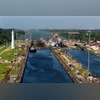
The Panama Canal is a waterway that connects the Atlantic and the Pacific oceans by cutting across the Isthmus of Panama. It is a man-made canal that allows ships to bypass the long and dangerous trip around the southern tip of South America.
The canal was completed in August 1914 and is about 65 km long from shoreline to shoreline. From the Atlantic or Caribbean Sea to the Pacific ocean, the distance is about 82 km.
It takes ships about 10 hours to cross from either side of the canal and is owned and operated by Panama since 1979. It cost about $375 million to construct.
The canal's construction significantly impacted global trade and navigation by reducing transportation time and costs.
Increased wait times
According to a report by Reuters, water conservation measures were enforced earlier this year to help counteract the extended drought. This resulted in a backlog of ships. As the Panama Canal handles an estimated five per cent of world trade, these restrictions caused concern across shipping and logistics industries. This will likely be aggravated with the holiday season approaching.
While the efforts did provide some relief to the bottleneck of the canal, making wait times decrease since August, the situation remains challenging as the water level remains low.
The report noted that waiting time for vessels passing through the canal has doubled since July. This has resulted in many ship owners seeking alternative routes to avoid delivery delays that can prove costly for companies.
Despite this, the Panama Canal Authority revealed that the current level of vessel traffic is considered "normal" for this season. A report by CNBC stated that since the beginning of August, the canal has adjusted its daily transit capacity to 32 vessels per day (10 vessels in the newer Neopanamax locks, which serve the larger vessels, and 22 vessels in the older Panamax locks). Earlier, the capacity was 34-36 vessels per day.
However, it must be noted that the number of vessels crossing the canal has already exceeded 800 more than the canal has expected in the ongoing financial year.
This surge in vessel crossings demonstrates the artificial waterway's vital role in transport.
Gatun Lake water levels
The ongoing water crisis negatively affected Gatun Lake, the canal's water source, according to a report by the Supply Chain Management Review (SCMR). The canal relies on this water source to facilitate transits, with each vessel using around 51 million gallons of water from the lake.
Since the beginning of September, water levels are at 79.7 feet, a significant decline from the previous year September's 87.41 feet.
SCMR added that as Panama's rainy season concludes in November, there is growing concern among experts that the dry season's early onset and higher temperatures could lead to further evaporation, potentially resulting in record-low water levels by April next year.
Given these challenges, supply chain resiliency and flexibility have become paramount. This situation also brings to light the significance of supply chain resiliency and the need to diversify shipping lanes and modes to mitigate disruptions effectively. As the Panama Canal grapples with drought-induced delays, planning for contingencies and establishing versatile supply chain relationships are essential for adapting to the ever-evolving challenges of global trade.
Supply chain resiliency and flexibility
Shippers need to prioritise freight visibility, assess their supply chain's ability to absorb delays, explore alternative options, and align internal processes for prioritising goods in light of these developments along the Panama Canals. Bearing these in mind, AlixPartners, a financial advisory and global consulting firm, released a post outlining key considerations ship owners needed to take and actionable steps to help mitigate disruptions.
Some of the suggestions they made through a company blog post include:
Freight visibility: Monitoring shipments closely and proactively, even if delays are not yet evident, is crucial. Understanding the status of shipments allows for timely decision-making.
Absorbing delays: Assessing the supply chain's capacity to absorb potential delays and adjusting lead time planning for future orders is essential.
Exploring alternatives: Engaging with carriers to explore alternative sailing schedules that align with specific timelines is advisable. Mode optionality, such as air freight or land bridge routes, can provide faster transit, if needed.
Internal alignment: Establishing internal processes for prioritising goods based on their importance to the organisation ensures a nimble response to continued or worsening delays.
Cost exposure: Communicating potential cost exposures related to vessel capacity and Panama Canal surcharges is essential for informed decision-making.
As of now, the prolonged drought and its impact mean that delays in vessel transportation are likely to continue in the region. Therefore, ship owners must consider alternative measures to ensure timely and cost-effective deliveries. Meanwhile, the situation has also brought to light the need to create a resilient supply-chain and avoid over-reliance on single shipping lanes and plan for contingencies.

 "Panama Canal drought and how it is impacting global trade, supply chain")


