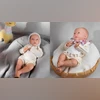
What began as a niche art form has erupted into an international flashpoint. Hyper-realistic “reborn” baby dolls — crafted to resemble real infants with incredible accuracy — are making headlines with some collectors paying more than $8,000 for the silicone creations.
According to a report by The Wall Street Journal, the recent Dolls of the World expo in Greensboro, North Carolina, drew over 1,500 attendees — many arriving with their reborns in tow, dressed, accessorised, and treated like real babies.
What are reborn dolls?
Reborn dolls are hand-crafted baby replicas, often indistinguishable from real infants at first glance. Artists use silicone or vinyl kits, painting translucent skin, inserting real hair strand by strand, and even adding weighted bodies or heartbeat simulators. Prices can range from $200 to over $8,000, depending on detail and realism.
Who buys reborn dolls— and why?
Buyers span a wide spectrum: grieving parents, therapeutic users, hobbyists, and even children. While critics often mock or misunderstand the trend, many collectors describe Reborns as emotionally grounding. They’ve helped women cope with infant loss, trauma, PTSD, and memory disorders such as Alzheimer’s. As one attendee put it, “Sometimes I just want one that doesn’t cry”.
Collectors dress them, name them, and often treat them in roleplay scenarios — bathing, dressing, and even pushing them in prams at public outings. Some describe this as emotional comfort or therapeutic play, especially after personal trauma or loss.
Social media drives reborn doll trend
Online creators like Kelli Maple, who has over two million YouTube subscribers, have fuelled the rise of the reborn community. She’s both a collector and seller of reborns and was swarmed by fans at the Greensboro expo. Sellers like her prepare months in advance, stocking high-end doll “nurseries” and selling handmade dolls to eager fans.
Reborn dolls hailed for their craftsmanship
Many creators begin with DIY kits (ranging from $100 to $200), but the final product takes hours of painting, rooting hair, and detailed finishing. According to The Wall Street Journal, it can cost $500+ in supplies alone to complete one high-quality doll. The doll-making industry has also given rise to at-home businesses, offering women flexible ways to earn a living without formal training.
In the US, reborns symbolise craft and comfort
In the United States, the reborn community is tightly knit, spanning young girls, middle-aged collectors, and elderly women. YouTube personalities like Kelli Maple have millions of followers and run profitable reborn doll businesses, while artists gather annually at events like the Greensboro expo to buy, sell, and teach dollmaking techniques.
In Brazil, reborns draw political scrutiny
In Brazil, however, the reborn doll trend has sparked outrage, satire, and even violence. According to a recent report by The Guardian, more than 30 proposed bills aim to restrict how reborns can be used — banning them from hospitals, disqualifying them from public healthcare queues, or limiting collectors’ rights. Yet, the report noted that these laws appear to be reacting to viral content, not real incidents. It added that the bills were proposed by right-wing or far-right lawmakers, who are trying to seize on the trend for visibility amid turmoil over former president Jair Bolsonaro’s coup trial.
Doll trends through the decades
1950s: Barbie begins it all
In 1959, Barbie debuted as the first adult-bodied fashion doll, breaking away from baby dolls and turning play into a glamorous world of fashion, careers, and independence. She quickly became a cultural icon.
1970s: Baby Alive and Sunshine Family
Dolls like Baby Alive brought lifelike features into homes, while the Sunshine Family mirrored hippie ideals with their eco-friendly, minimalist lifestyle, reflecting the era’s shifting social consciousness in the US.
1980s: Cabbage Patch Kid begins collectables trend
Cabbage Patch Kids turned play into a frenzy with unique names and adoption papers, causing nationwide store stampedes. Characters like Strawberry Shortcake and My Little Pony cemented the collectable craze.
1990s: American Girl Dolls to Tamagotchi
American Girl Dolls taught history through storytelling, while Polly Pocket and Tamagotchi brought play into the pocket-sized and digital age. Dolls were now both educational and tech-savvy.
2000s: Bratz challenges Barbie's dominance
Bratz dolls introduced a bold, urban look that challenged Barbie’s dominance. With attitude and style, dolls reflected pop culture, individualism, and a shift toward edgier self-expression.
2025: The Labubu craze
In 2025, Labubu, the wide-eyed character created by artist Kasing Lung, has become a global sensation through its collaboration with Chinese toy company POP MART. Sold in blind boxes, the collectable vinyl figures have attracted a devoted following, with rare editions sparking high demand among fans. Enthusiasts often trade and showcase the figures online, sometimes pairing them with luxury items like Hermès bags, blending high fashion with playful design. The trend has helped transform Labubu from a niche art toy into an international status symbol.

 "Babies who never cry: The story of reborn dolls that sell for $8,000")


 Connect with us on WhatsApp