Home / World News / S African prez sets May 29 as election day as polls show a drop in support
S African prez sets May 29 as election day as polls show a drop in support
Ramaphosa's ruling African National Congress, the party once led by Nelson Mandela, is expected to face a stern test to retain its majority in South Africa's seventh fully democratic national election
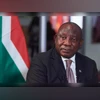
Ramaphosa announced the date in a statement from his office. | (Photo: Bloomberg)
South Africa will hold its national election on May 29, President Cyril Ramaphosa announced on Tuesday.
Ramaphosa's ruling African National Congress, the party once led by Nelson Mandela, is expected to face a stern test to retain its majority in South Africa's seventh fully democratic national election since the end of the apartheid system of forced racial segregation in 1994.
Before 1994, Black people were not allowed to vote.
The ANC, which led the anti-apartheid movement, has won every national vote by a clear majority since the racist system was dismantled and has been in government for 30 years. But several polls this year have predicted it may slip below 50 per cent of the vote in a general election for the first time.
South Africans have grown weary of a troubled economy and record unemployment, a stream of corruption allegations against ANC figures, and an electricity crisis that has resulted in daily rolling blackouts for homes and businesses.
If the ANC slips below 50 per cent of the vote and one poll has it falling dramatically to less than 40 per cent it would need to enter into a coalition to remain in government and keep Ramaphosa as president for a second and final five-year term. South Africa has never had a coalition government at national level.
South Africans vote for a party and not a presidential candidate in a general election. Parties are then allocated places in the 400-seat Parliament according to their share of the vote, and lawmakers elect the president.
The president has always been from the ANC because of its parliamentary majority.
Ramaphosa announced the date in a statement from his office.
Beyond the fulfilment of our constitutional obligation, these upcoming elections are also a celebration of our democratic journey and a determination of the future that we all desire," he said. I call on all South Africans to exercise their democratic right to vote and for those who will be campaigning to do so peacefully, within the full observance of the law.
South Africans will also vote for the makeup of provincial legislatures.
(Only the headline and picture of this report may have been reworked by the Business Standard staff; the rest of the content is auto-generated from a syndicated feed.)

 "S African prez sets May 29 as election day as polls show a drop in support")


