
Sri Lankan govt renews Lanka Indian Oil petroleum license for 20 years
The government has renewed the petroleum products license granted to Lanka IOC, the local subsidiary of Indian Oil Corporation, for another 20 years, the LIOC said
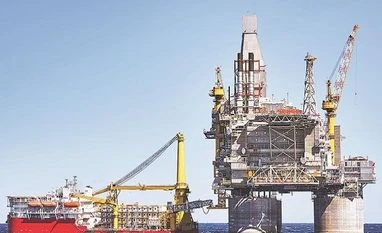 "Sri Lankan govt renews Lanka Indian Oil petroleum license for 20 years")
Explore Business Standard

Associate Sponsors
Co-sponsor
The government has renewed the petroleum products license granted to Lanka IOC, the local subsidiary of Indian Oil Corporation, for another 20 years, the LIOC said
The Sri Lankan government has renewed the petroleum products license granted to Lanka IOC, the local subsidiary of Indian Oil Corporation, for another 20 years, officials said on Monday.
The license originally issued in 2003 was to expire in January 2024. This will allow Lanka IOC to continue its retail operations on the debt-trapped island nation until January 22, 2044.
The license renewal letter was handed over by President Ranil Wickremesinghe to Dipak Das the Managing Director of LIOC late last week, Aseem Bhargav, the Chief Financial Officer of LIOC said in a statement.
The government has renewed the petroleum products license granted to Lanka IOC, the local subsidiary of Indian Oil Corporation, for another 20 years, the LIOC officials told PTI on Monday.
The license enables LIOC to import, export, store, transport, distribute, sell and supply petrol diesel, heavy diesel, furnace oil, kerosene, Naphtha and other mineral petroleum including premium petrol and premium diesel."
The LIOC holds around 20 per cent of the market share in the auto fuel segment in Sri Lanka.
When Sri Lanka plunged into an economic crisis with no forex to import petroleum products, the LIOC operation became crucial in the energy sector. It operates over 200 retail outlets throughout the island nation.
Since the economic crisis came to bite Sri Lanka, it liberalised the energy sector.
China's Sinopec entered in August as the third player in the retail fuel trade while USA's RM Parks and Australia's United Petroleum are also due to commence operations soon.
However, the main opposition party Samagi Jana Balawegaya (SJB) on Sunday expressed its strong opposition to the Government's decision to extend Lanka IOC's petroleum licence.
Speaking at a press conference held at the opposition leader's office in Colombo, SJB Deputy General Secretary Mujibur Rahman raised questions regarding the basis on which the licence renewal was granted by the Government.
Rahman pointed out that the agreement with Lanka IOC was originally established in 2001, granting the entity hefty tax concessions and a 20-year licence to operate in Sri Lanka in exchange for a USD 70 million investment.
The agreement was struck without a competitive tender process and lacked transparency, he was quoted as saying by the Daily Financial Times newspaper.
Once again, there was no competitive tender process or transparency. Are we obligated to grant this deal to the IOC? Was this agreement secretly negotiated between President Ranil Wickremesinghe and Prime Minister Narendra Modi? he asked.
Rahman pointed out that IOC was unable to address the fuel shortages during Sri Lanka's most severe crisis or provide better prices to the public.
First Published: Oct 30 2023 | 3:00 PM IST

