
Temporary channel opens for vessels to Baltimore port after bridge collapse
With the new channel open, about 15 per cent of pre-collapse commercial activity will resume, O'Connell said. The first temporary channel opened April 1
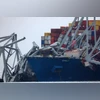 "Temporary channel opens for vessels to Baltimore port after bridge collapse")
WebinarsNew
Deep DiveNew
Explore Business Standard
With the new channel open, about 15 per cent of pre-collapse commercial activity will resume, O'Connell said. The first temporary channel opened April 1
A third temporary channel for boats to enter and depart the Port of Baltimore has opened, expanding further shipping access as collapsed sections of the Francis Scott Key Bridge are salvaged before the span can ultimately be rebuilt.
The alternate channel, located to the northeast of the fallen bridge, is open to commercially essential vessels, port officials announced late Friday.
The new temporary path, with a controlling depth of 20 feet (6.1 meters), a horizontal clearance of 300 feet (91.4 meters) and a vertical clearance of 135 feet (41.2 meters), allows a greater variety of vessels to access the port while crews work to reopen the main channel, Coast Guard and port Capt. David O'Connell said in a news release.
With the new channel open, about 15 per cent of pre-collapse commercial activity will resume, O'Connell said. The first temporary channel opened April 1. The bridge collapsed early March 26 after it was struck by the cargo ship Dali.
Officials hope to open a channel by the end of the month to allow most maritime traffic back into one of the East Coast's busiest maritime transit hubs.
Workers are labouring to remove thousands of tons of debris sitting atop the Dali, the cargo ship that veered off course and struck the 1.6-mile-long (2.57-kilometer-long) bridge. Six roadwork crew members on the bridge died. Two of their bodies have not been found.
With massive cranes, workers so far have taken away about 1,300 tonnes (1,179 metric tons) of steel. The debris on the stationary ship must be removed before the vessel can be returned to the port.
(Only the headline and picture of this report may have been reworked by the Business Standard staff; the rest of the content is auto-generated from a syndicated feed.)
First Published: Apr 21 2024 | 6:39 AM IST


 Connect with us on WhatsApp